TL;DR: Spring color analysis helps you discover which spring colors best enhance your natural features based on skin undertone, eye color, and hair color. Whether you belong to Light Spring, True/Warm Spring, or Bright Spring, understanding your spring color palette allows you to choose clothing, makeup, and hair colors that make you look vibrant, radiant, and confident. DIY tests at home can give hints, but using AI color analysis, such as AI color analysis free online tools, provides an accurate, data-driven assessment. Simply upload a photo to get your personalized palette, avoid colors that dull your warmth, and embrace tones from your tailored light spring color palette, warm spring color palette, or bright spring color palette to look your best every day.
Do you gravitate toward bright, sunny hues? Does wearing warm gold jewelry make your skin glow, while silver feels dull? If vibrant tones like tulip reds, daffodil yellows, and fresh spring greens instantly lift your complexion, you may belong to the Spring category in seasonal color theory.
In this guide, we'll walk through the essentials of spring color analysis, explain how the Spring palette works, explore its different subtypes, and show how AI color analysis tools like aicoloranalysis.ai can help you find your most flattering colors. From understanding undertones to choosing the right clothes, makeup, and hair shades, this article gives you a complete and practical overview.
🌷 What Is Spring Color Analysis?
Spring color analysis is part of the broader seasonal color analysis system, which groups people into Spring, Summer, Autumn, or Winter based on how colors interact with their natural features. This approach focuses on identifying shades that harmonize with your skin undertone, eye clarity, and hair warmth.
Within this system, Spring types are defined by warmth and clarity. Colors that feel fresh, lively, and sunlit tend to enhance Spring features, while cool or muted tones often dull them. A classic example of spring color analysis is how coral or warm turquoise can make Spring skin appear brighter almost instantly.
Traditionally, color analysis relied on fabric draping and visual comparison. Today, AI-powered tools make spring color analysis more accessible by evaluating photos with greater consistency and less subjectivity.
🌼 The Core Spring Profile: Are You a Spring?
Across the different types of spring color analysis, two qualities dominate: warmth and clarity. These traits appear consistently in skin, eyes, and hair, allowing warm, bright colors to work in harmony with natural coloring.
☀ Skin Tone
People who align with spring color analysis usually have warm undertones. Skin may show golden, peachy, or honey hues, regardless of depth. This warmth distinguishes Spring from cooler seasons like Summer or Winter.
✨ Eye Color
Spring eyes often look clear and lively rather than muted. Warm hazel, light blue, or sparkling green are common. The absence of smoky or grayish tones is a frequent indicator.
☀ Hair Color
Hair typically reflects warmth and light: golden blonde, strawberry blonde, warm auburn, or light brown. Strongly ashy or blue-black hair may suggest a different seasonal family.
🌸 The Three Spring Subtypes
Not all Springs look the same. Understanding the subcategories within spring color analysis helps you apply your palette more accurately.
🌞 Light Spring
- Profile: Light, warm, and low contrast
- Palette Focus: light spring color palette featuring soft peach, pastel mint, butter yellow
- Analysis Type: light spring color analysis emphasizes delicacy and freshness
- Avoid: Heavy or overly dark shades that overwhelm light features
🌻 True / Warm Spring
- Profile: The warmest and most classic Spring expression
- Palette Focus: true spring color palette with coral, golden yellow, tomato red
- Analysis Type: warm spring color analysis prioritizes warmth over contrast
- Avoid: Cool, dusty, or muted colors
🌟 Bright Spring
- Profile: High contrast, clear, and vibrant
- Palette Focus: bright spring color palette — includes poppy red, chartreuse, and other vivid warm tones
- Analysis Type: bright spring color analysis emphasizes bold, energetic, high-contrast hues
- Avoid: Muddy or gray-toned shades that reduce clarity
🔎 Simple At-Home Checks Before Using AI
Before turning to technology, you can try a few basic checks that often align with spring color analysis principles:
- Vein Test: Greenish veins usually suggest warm undertones.
- Jewelry Test: Gold jewelry looking better than silver often indicates warmth.
- Fabric Test: Bright orange or warm green, making your face look fresher, is a positive sign.
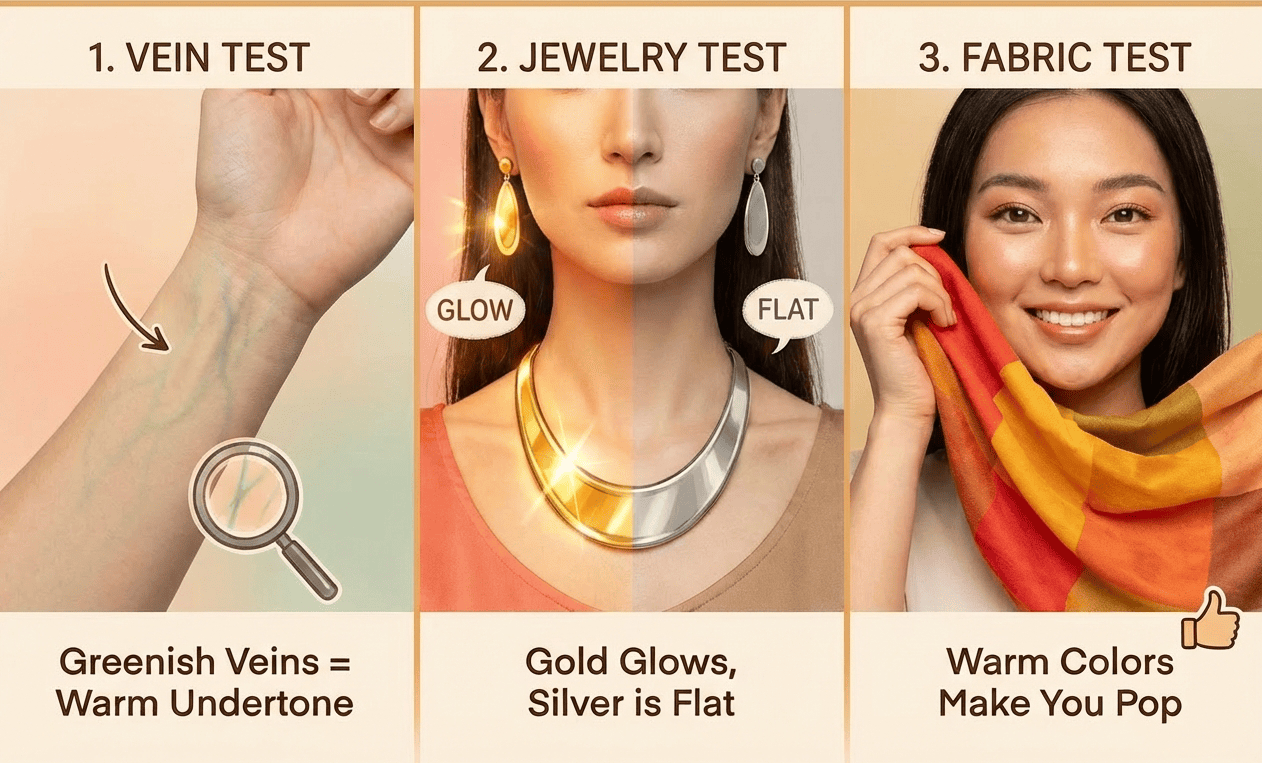
While helpful, these home tests are subjective and sensitive to lighting — which is where AI color analysis can provide a more objective and detailed read, plus recommendations.
These methods offer a quick reference, but lighting and personal bias can influence results — which is where AI becomes helpful.
🤖 How to Use AI for Color Analysis
If you want to go beyond guesswork, AI Color Analysis (aicoloranalysis.ai) offers a streamlined way to identify your best color season using color analysis AI technology.
🪩 Why Use AI for Color Analysis
AI tools analyze your photo to determine your natural undertones, contrast, and color clarity with precision. Unlike basic questionnaires, AI color analysis free online solutions like AI Color Analysis (aicoloranalysis.ai) can provide data-driven insights in seconds.
🧠 Step-by-Step Guide
1、Take a Clear Photo:
Use natural daylight and no heavy makeup. A well-lit selfie gives the most accurate baseline for color detection.
2、Visit AI Color Analysis (aicoloranalysis.ai):
Head to the site and select "upload photo" — this is your first step in a guided color analysis upload photo sequence.
3、Upload Your Selfie & AI Analyze Your Colors:
Your image is analyzed using advanced algorithms that compare your skin tone, eye color, and hair attributes to thousands of known color profiles.
4、Get Your Personalized Results:
In moments, you'll see your seasonal result (like Light Spring, True/Warm Spring, or Bright Spring) and a suggested spring color palette tailored to you.
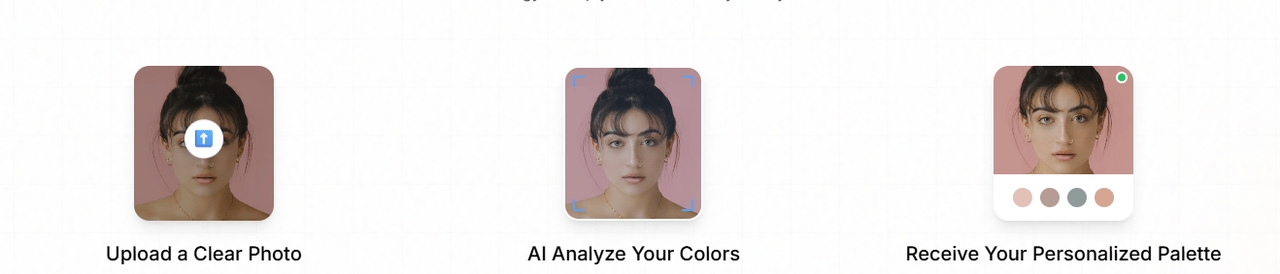
This type of AI color analysis bypasses much of the subjectivity of traditional color tests and gives you a reliable foundation for styling decisions.
🎨 Your Spring Style Guide
Once you understand your results, applying spring color analysis becomes practical and intuitive.
👗 Wardrobe Essentials
When selecting spring color analysis clothes, prioritize warm, lively shades:
- Best Neutrals: Cream, ivory, camel, warm beige.
- Accent Colors: Coral, aqua, turquoise, apple green, sunny yellow.
Very deep or heavy shades inspired by a dark spring color palette are usually less flattering, as they overpower the brightness of Springs.
💄 Makeup That Matches Your Spring Profile
- Face: Choose foundations with warm, golden undertones.
- Cheeks & Lips: Peachy pinks, coral, and warm reds bring out your natural glow.
- Eyes: Warm bronze or soft brown liner complements your skin better than stark black.
💇 Hair Color Tips
If you're thinking about coloring your hair, stick to warm tones like honey, caramel, or golden blonde. Cool tones like ash blonde or blue-black may negatively contrast with your naturally spring warm palette.
🚫 Avoid Color: Shades That Don't Flatter
Even within warm palettes, some colors conflict with spring color analysis principles:
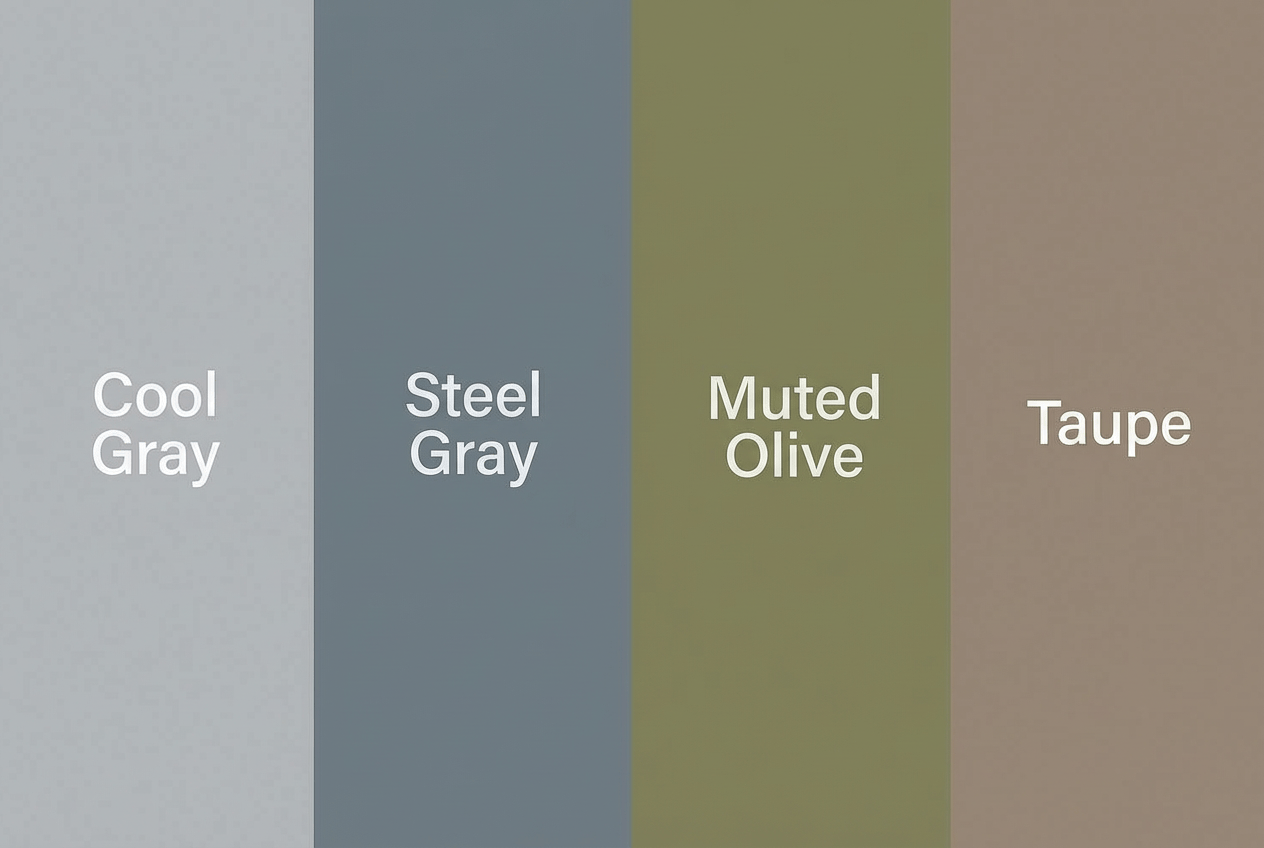
❌ Cold Grays and Muted Shades
Cool grays and muted colors lack the warmth and brightness that Spring palettes thrive on. They can make your complexion look washed out.
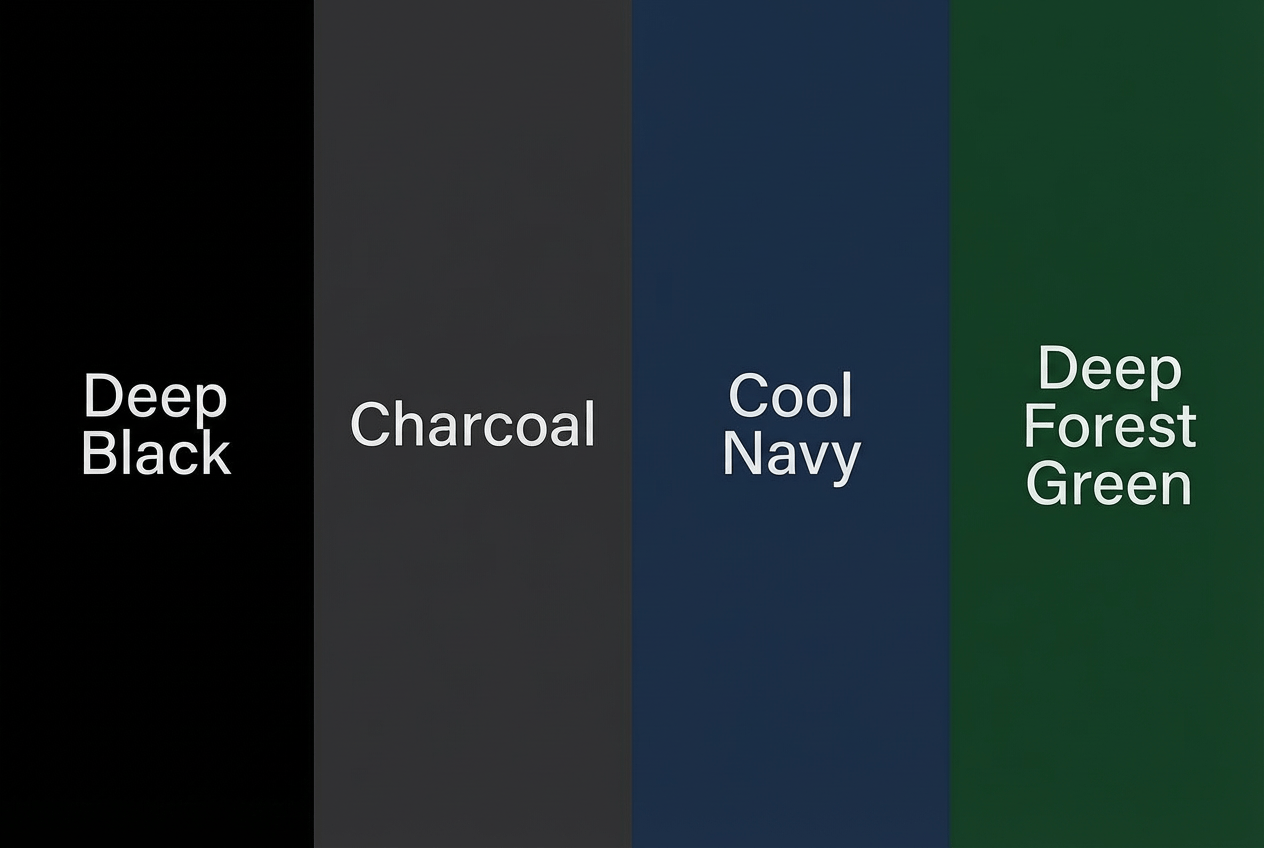
❌ Deep, Cool Colors
Strong dark hues — such as deep black, charcoal, or cool navy — clash with warm undertones and overpower Spring energy.
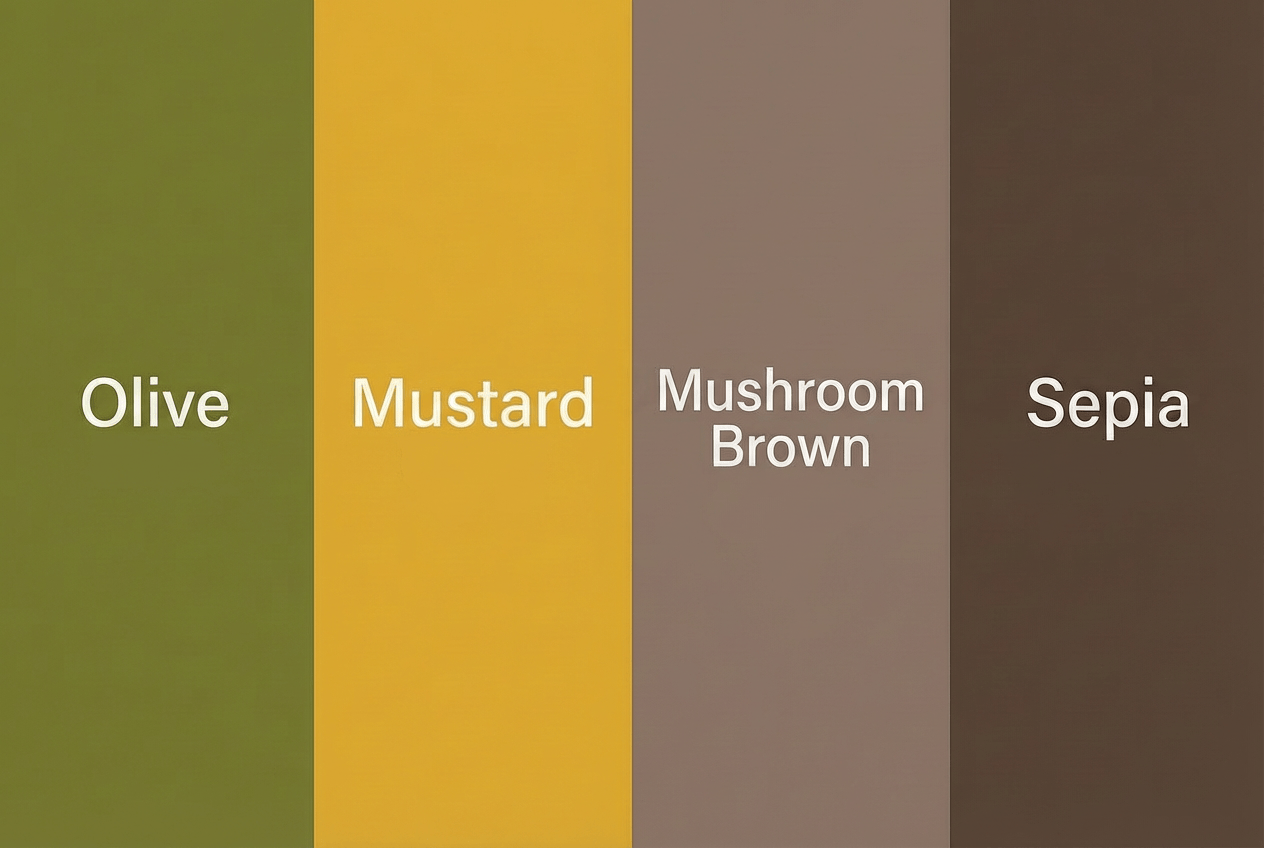
❌ Muddy and Earthy Tones
Colors like olive or mustard often appear too muted and earthy, dragging down your brightness and clarity.
Recognizing and avoiding these shades helps your spring color palette feel more vibrant and balanced every time you wear it.
🤔 Common Misconceptions and Community Insights
Many people online struggle to differentiate Spring subtypes or mix up spring with other seasons, especially when undertones are debated. In color analysis communities, users often express confusion about whether they're Light Spring, Bright Spring, or even Summer because photos and lighting vary so much.
Some readers are unsure if neutral undertones can still mean Spring — generally, Spring leans warm, but neutral to warm undertones may still align with Light or Bright Spring depending on contrast levels.
The takeaway? Color analysis can be subjective, so using consistent lighting and objective tools like AI color analysis results can help confirm your findings.
Final Thoughts
Spring color analysis reveals colors that enhance your natural beauty, helping you look fresher and more radiant. By understanding your subtype, using tools like AI Color Analysis (aicoloranalysis.ai) for reliable color analysis results, and building your wardrobe around your ideal spring colors and spring color palette, you unlock a more confident and harmonious style.
Ready to let your true colors shine? Try AI Color Analysis (aicoloranalysis.ai) now — upload your photo and discover your perfect palette in minutes with AI-powered precision. 💛
FAQ for Spring Color Analysis
1、What is spring color analysis?
Spring color analysis is a branch of seasonal color analysis that focuses on identifying warm, clear, and lively colors that best complement a person's natural features. It evaluates your skin undertone, eye clarity, and hair warmth to determine whether Spring hues enhance your appearance.
People who align with Spring palettes typically look brighter and healthier in fresh, sunlit colors rather than cool or muted shades.
2、Are Springs warm or cool toned?
Springs are warm-toned. Warmth is the defining characteristic in spring color analysis, even for lighter or brighter Spring subtypes.
While some individuals may appear neutral at first glance, Spring palettes always lean warm rather than cool. If gold jewelry flatters you more than silver and warm colors make your complexion glow, those are strong indicators of a Spring undertone.
3、Can I do color analysis online for free using AI tools?
Yes. Many platforms now offer AI color analysis free online, such as AI Color Analysis (aicoloranalysis.ai) , allowing you to upload a selfie for evaluation. These tools use color analysis AI to assess undertone, contrast, and brightness, then suggest a suitable seasonal palette — which may include a Spring subtype if your features align with warmth and clarity.
For best results, always take your photo in natural light before uploading it for analysis.
4、How does the AI color analysis process work when I upload a photo?
When you complete a color analysis upload photo step, the AI examines visible traits such as skin tone, eye color, and hair warmth. It then compares these features to established seasonal systems like Spring, Summer, Autumn, and Winter.
Once finished, most tools provide a personalized result, often including your Spring subtype and recommended colors.
5、What colors look bad in Spring?
In spring color analysis, colors that are too cool, dark, or muted usually work against Spring features. Commonly unflattering colors include:
- Cool grays and blue-based neutrals
- Dusty or muted pastels
- Deep black, charcoal, or cool navy
- Muddy or overly earthy tones
These shades tend to drain warmth and reduce the natural brightness that Spring palettes rely on.
6、What true Spring colors to avoid?
For those classified as True (Warm) Spring, it's best to avoid colors that either cool down or dull your warmth. Shades to limit include:
- Cool pinks and bluish reds
- Muted taupes or gray-beige neutrals
- Dark, heavy colors inspired by a dark spring color palette
- Icy or pastel tones that lack warmth
True Spring colors shine best when warmth remains the dominant feature.
7、Why might I get different results from different color analysis tools or tests?
If you've tried multiple online tools or DIY methods, varying results can happen due to differences in lighting, camera quality, or the specific algorithm each color analysis AI uses. It's common for some people to appear to fall between light spring and other seasonal types, so repeating the upload under consistent conditions (like consistent natural lighting) often helps clarify your spring color palette classification.
8、Do my personal preferences or favorite clothes matter in color analysis?
While your personal style is important, color analysis focuses on natural undertones and contrast. Sometimes people prefer colors that aren't part of their seasonal palette, which is fine, but applying a spring color palette often makes features look more radiant and vibrant. If your favorites aren't in your recommended palette, you can still wear them thoughtfully by pairing with harmonizing hues from your season.