TL;DR: Deep Autumn (Dark Autumn) is defined by two main traits: Depth and Warmth. If you fall into this season, your best look is high-contrast and rich.
Your Best Colors: Think warm and heavy—Dark Chocolate, Rust, Forest Green, Teal, Tomato Red, and Mustard.
Your Neutrals: Swap black for Marine Navy or Espresso; swap white for Cream or Beige.
What to Avoid: Stay away from pale Pastels, Neons, and icy Cool tones that wash you out.
Styling Secret: Aim for High Contrast in your outfits (e.g., a cream top with dark brown pants) and embrace textured fabrics like velvet and leather.
Jewelry: Gold, Bronze, and Copper will always flatter you more than Silver.
In short: If a color looks like a spice, a dark wood, or an autumn leaf, it belongs in your deep autumn color palette.
Imagine the richness of a forest in late November: the crunch of dark leaves, the warmth of cinnamon sticks, and the depth of espresso. If this imagery resonates with your personal style, or if you find that rich, heavy colors make you glow while pale pastels wash you out, you have likely found your home in the deep autumn color palette.
Many people struggle for years wearing the wrong colors—thinking they need to wear black to look slim, or avoiding brown for fear of looking dull. Understanding your seasonal color analysis changes everything.
In this comprehensive guide, we will unlock the secrets of the Deep Autumn season. From identifying your unique features to building a capsule wardrobe with deep autumn color palette clothing, and selecting the perfect makeup, this is your roadmap to looking expensive, radiant, and harmonious.
What is a Deep Autumn? (Defining the Season)
In the 12-season color analysis theory, Deep Autumn (also known as Dark Autumn) is the season of high drama and richness. It sits at the very end of the Autumn spectrum, flowing directly into Winter.
Because it borders Winter, the deep autumn color palette borrows some of that season's intensity and contrast, but it retains the golden, warm core of Autumn.
To understand if you fit this profile, you need to look at your two primary characteristics:
- Depth (Dark): This is your dominant trait. Your coloring is strong, saturated, and rich. Light colors often look weak or separate from you.
- Warmth: This is your secondary trait. Underneath the depth, there is a distinct warm, golden, or yellow undertone. You are not "cool" like a Winter, but you are less overtly "orange" than a True Autumn.
Signs You Are a Deep Autumn (Identification & Inclusivity)
Identifying your season can be tricky, especially with generalized advice online. Here is a detailed breakdown of the physical traits that typically define a Deep Autumn.
Skin, Eyes, and Natural Contrast
The hallmark of a Deep Autumn is High Contrast. This usually means there is a significant difference in value between your hair, skin, and eyes, or simply a high level of intensity in your overall coloring.
- Eyes: Your eyes are likely dark and captivating. Common colors include dark chocolate brown, black-brown, deep olive green, or a rich, dark hazel.
- Skin: Your skin tone can range from porcelain ivory to deep mahogany. The key is not the darkness of the skin, but the undertone. Whether fair or deep, there will be a warm, golden, or bronze glow—never a pink or blueish cool cast.
- Hair: Typically dark. This ranges from dark brunette and chestnut to jet black (often with a warm sheen under sunlight).

Deep Autumn in Different Ethnicities
One of the biggest misconceptions in color analysis is that if you have black hair and dark eyes, you must be a Winter. This leads to many incorrect typings, particularly for Asian and POC communities.
If you are looking for a deep autumn color palette asian guide, here is the crucial distinction:
Many people of East Asian, South Asian, Latin, and African descent have dark hair and dark eyes (Winter traits), but their skin has a rich, warm yellow or olive undertone (Autumn trait).
If you are Asian or have a deeper skin tone and find that pure white shirts make you look tired, or that silver jewelry clashes with your skin while gold makes it glow, you are likely a Deep Autumn, not a Deep Winter. The deep autumn color palette honors the warmth in your melanin, whereas Winter colors can make warm skin look sallow or grey.
The Deep Autumn Color Palette Breakdown (The Core)
Now, let's dive into the colors that will make you look your best. The deep autumn color palette is characterized by warm, saturated, and darkened hues. Think of a spice market or a forest at twilight—rich, mysterious, and inviting.
Your Power Colors
These are the shades that harmonize perfectly with your natural coloring, smoothing out your complexion and making your eyes sparkle.
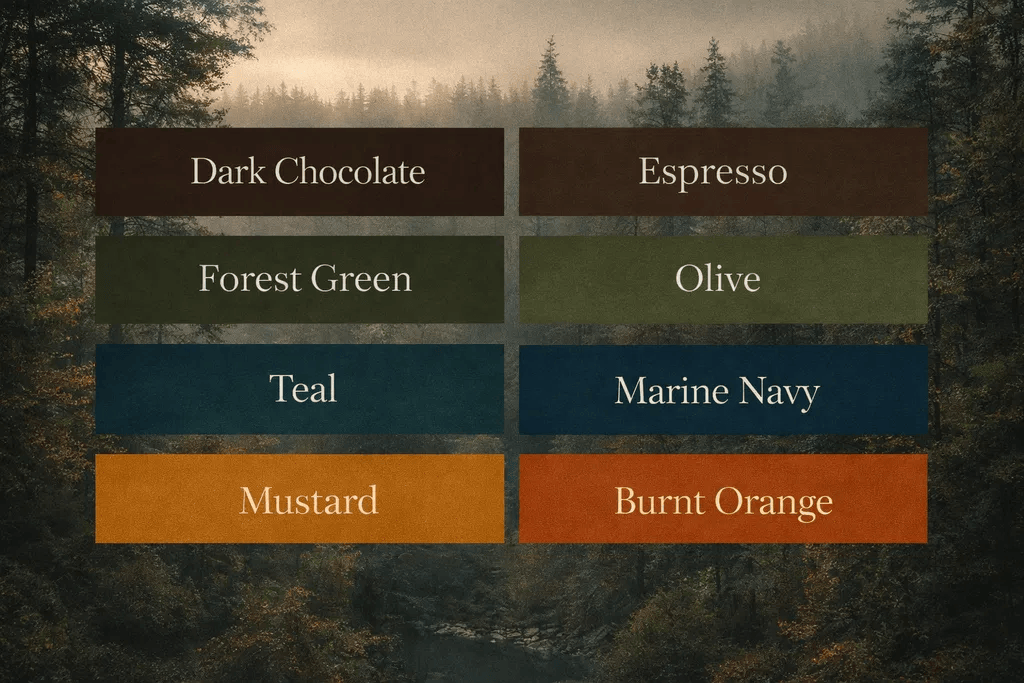
- Dark Chocolate & Espresso: Your ultimate staple. It grounds your look better than black.
- Forest Green & Olive: Deep, warm greens are essential. They bring out the hazel or brown tones in your eyes.
- Teal & Marine Navy: Excellent cool-leaning colors that still have enough depth for you.
- Mustard & Burnt Orange: These add that quintessential Autumn warmth without being too bright.
Mastering Red: The Deep Autumn Guide
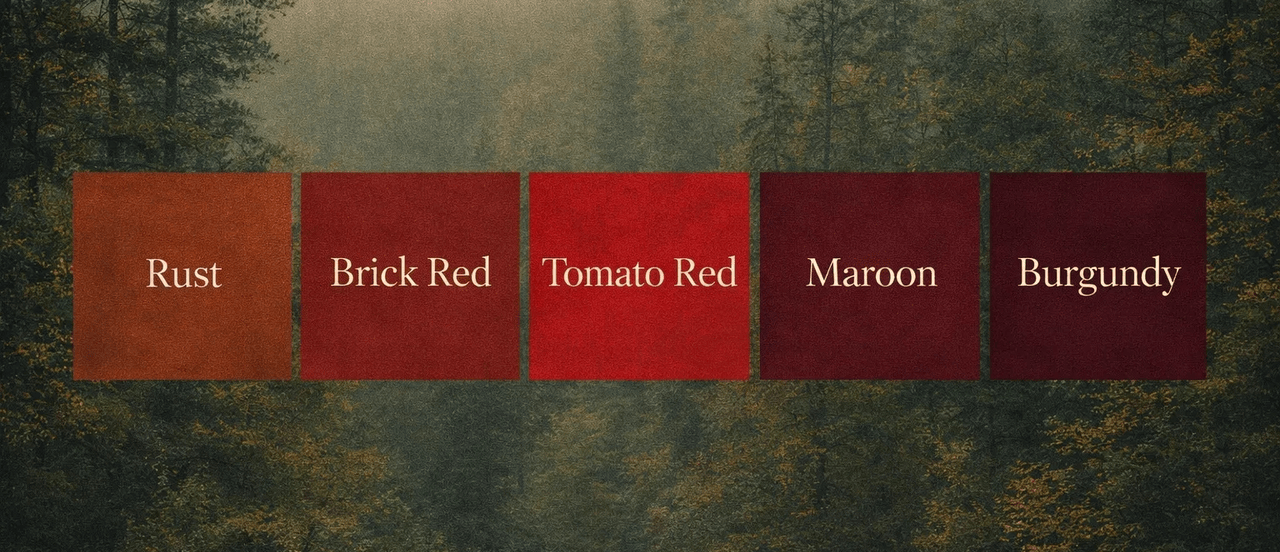
Red is a power color for many, but finding the right shade is critical. When searching for deep autumn color palette reds, you want to avoid cool, blue-based ruby reds or bright, alarming fire engine reds.
Instead, look for reds that have a brown, yellow, or "burned" undertone:
- Rust: The iconic Deep Autumn red.
- Brick Red: An earthy, grounded red perfect for lipstick or knitwear.
- Tomato Red: A slightly brighter option, but still warm.
- Maroon & Burgundy: Deep, wine-like shades that offer sophistication.
Neutrals & Colors to Avoid
Building a wardrobe requires solid neutrals.
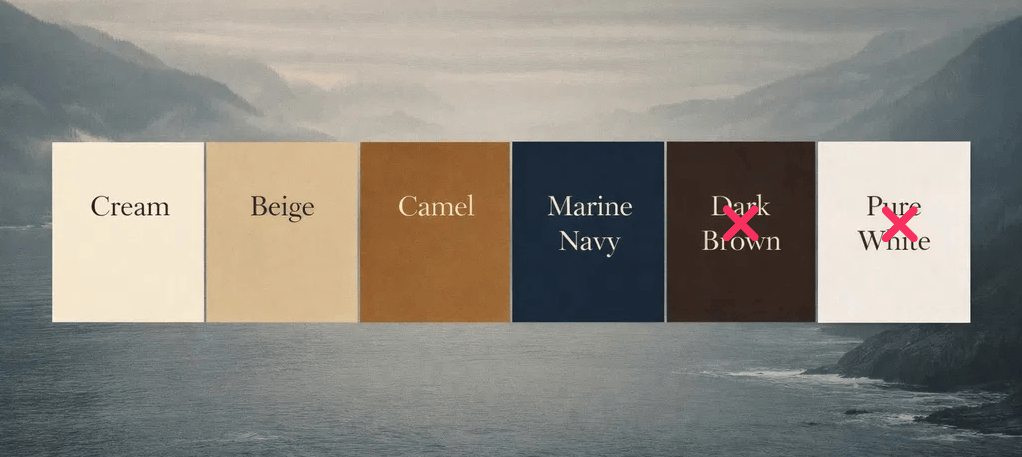
- Wear: Cream, Beige, Camel, Marine Navy, and Dark Brown.
- Avoid: Pure, stark White (it will make you look washed out) and generic Grey (unless it's a warm charcoal).
What to Skip:
You must be careful with colors that lack depth or warmth.
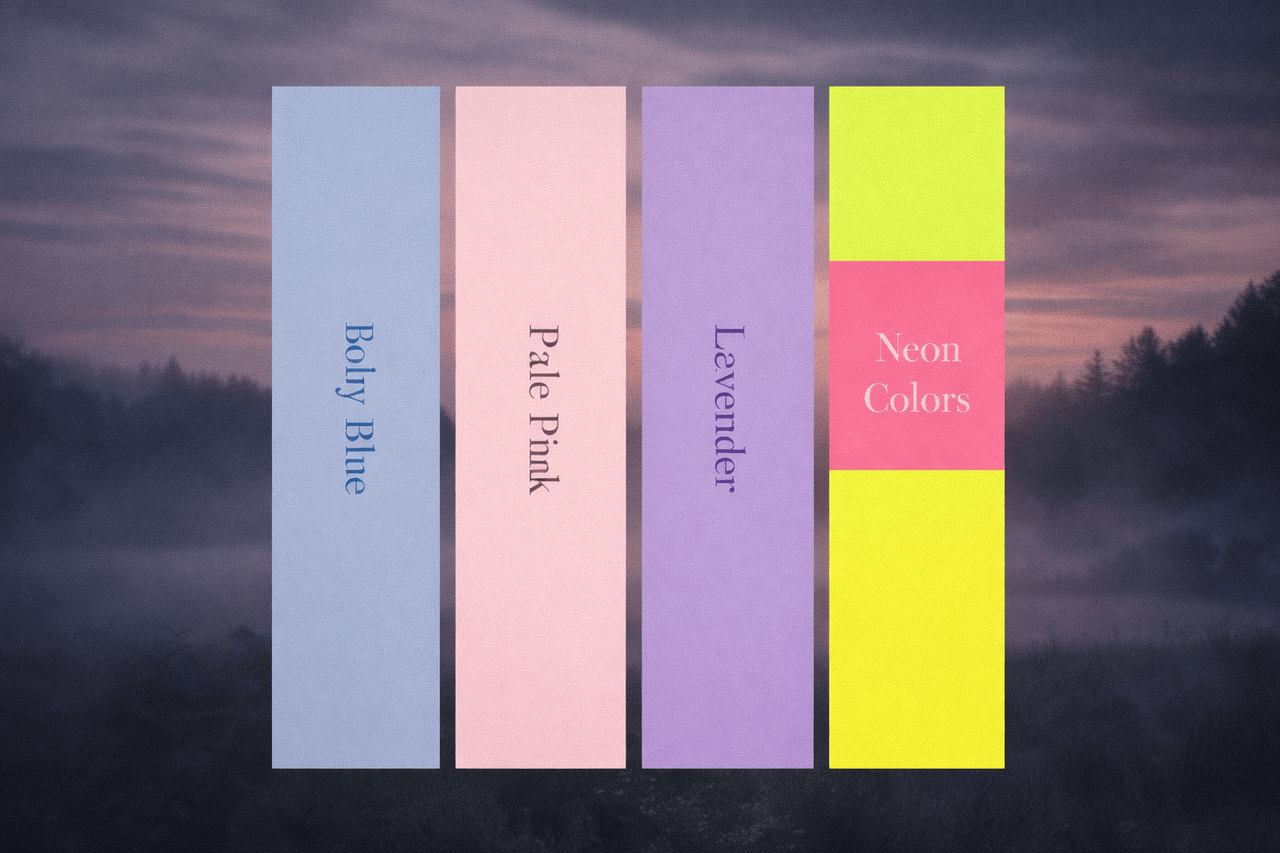
- Pastels: Baby blue, pale pink, and lavender are your enemies. They are too light and "dusty" for your high-contrast features.
- Neons: Electric colors will overwhelm your rich natural coloring.
- Icy Tones: Anything that looks "frosted" or cool will clash with your warm undertones.
Carrying Your Palette
It can be overwhelming to remember all these shades while shopping. We highly recommend saving a digital deep autumn color palette card to your phone.
Having a reference card allows you to hold your screen up against a piece of clothing in natural light. If the fabric blends harmoniously with the colors on your screen, it's a match. If the fabric looks too bright or too grey next to your palette card, leave it on the rack.
Deep Autumn vs. Deep Winter: What's the Difference?
This is the most common point of confusion. Both seasons are "Deep," meaning you both look great in dark colors and have high contrast. However, they are "sister seasons" with one major difference: Temperature.
- Deep Autumn: Your primary characteristic is Dark, and your undertone is Warm. You flow into Winter, but you retain the golden glow of Autumn.
- Deep Winter: Their primary characteristic is Dark, but their undertone is Cool. They flow into Autumn, but they retain the icy, blue base of Winter.
The Quick Test:
To decide between them, look at how you react to specific "borderline" colors:
- Grey vs. Brown: Deep Autumns shine in rich chocolate brown but look tired in grey. Deep Winters look sophisticated in charcoal grey but dull in brown.
- The Jewelry Test: Does bright silver make your skin look alive (Winter), or does it look cold and separate? Deep Autumns almost always look better in gold, brass, or at least a muted, antique silver, whereas Deep Winters can handle shiny, icy silver effortlessly.
Understanding this distinction ensures you don't accidentally fill your wardrobe with almost right colors, but just a little too cool for your deep autumn color palette.
Building a Deep Autumn Wardrobe (Styling & Texture)
Knowing your colors is step one; knowing how to wear them is step two. Unlike Summer types who look great in soft, blended monochromatic looks, a Deep Autumn comes alive with richness and contrast.
Best Clothing Combinations
When shopping for deep autumn color palette clothing, remember that your goal is to mimic the natural contrast in your face.
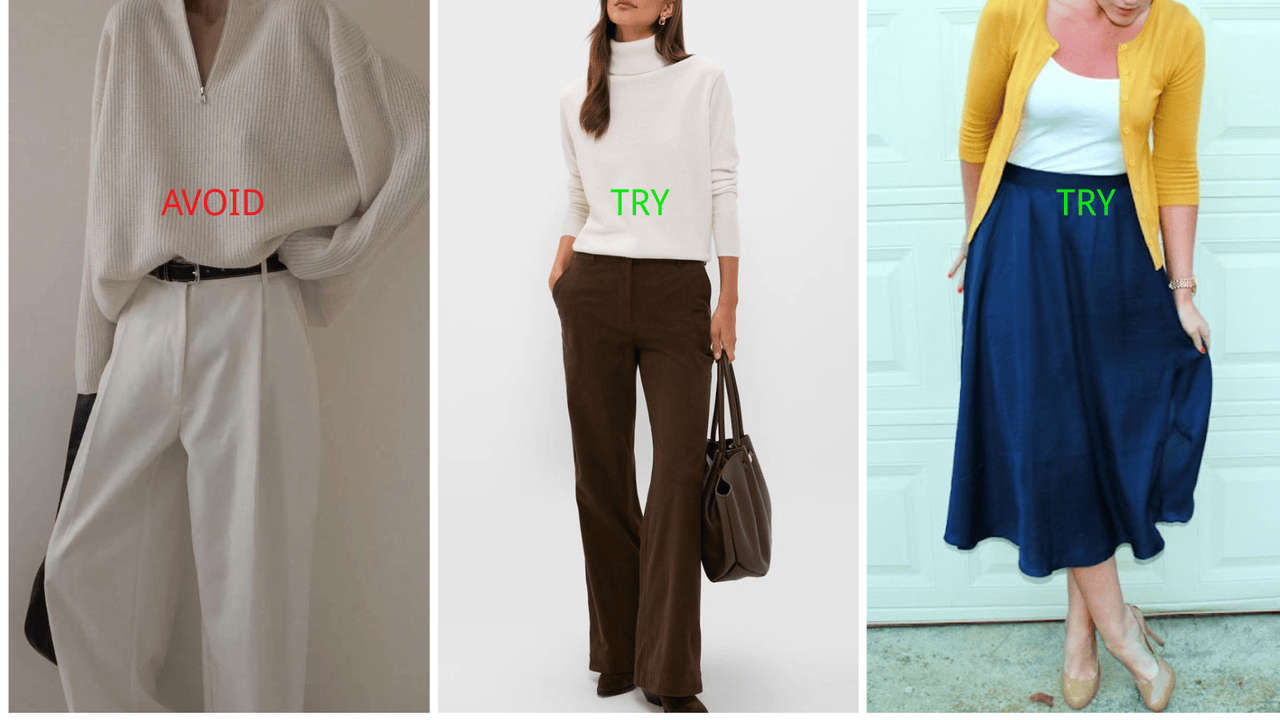
Avoid wearing head-to-toe light neutrals (like an all-beige outfit), as this can look bland on you. Instead, use "Value Contrast." Pair a lighter neutral top with a dark bottom to ground the look.
- Try this: An oatmeal or cream sweater paired with dark chocolate trousers.
- Try this: A mustard blouse tucked into a deep marine navy skirt.
- This interplay of light and dark echoes the depth of your eyes and hair, creating a harmonious and striking visual.
Texture Matters (The Secret Weapon)
Here is a pro-tip you won't find in every guide: Texture is just as important as color for Deep Autumns.
Because your palette is heavy and rich, it pairs exceptionally well with fabrics that have visual weight and tactile depth. Flimsy, shiny synthetics often look cheap against your coloring.
Instead, fill your closet with:
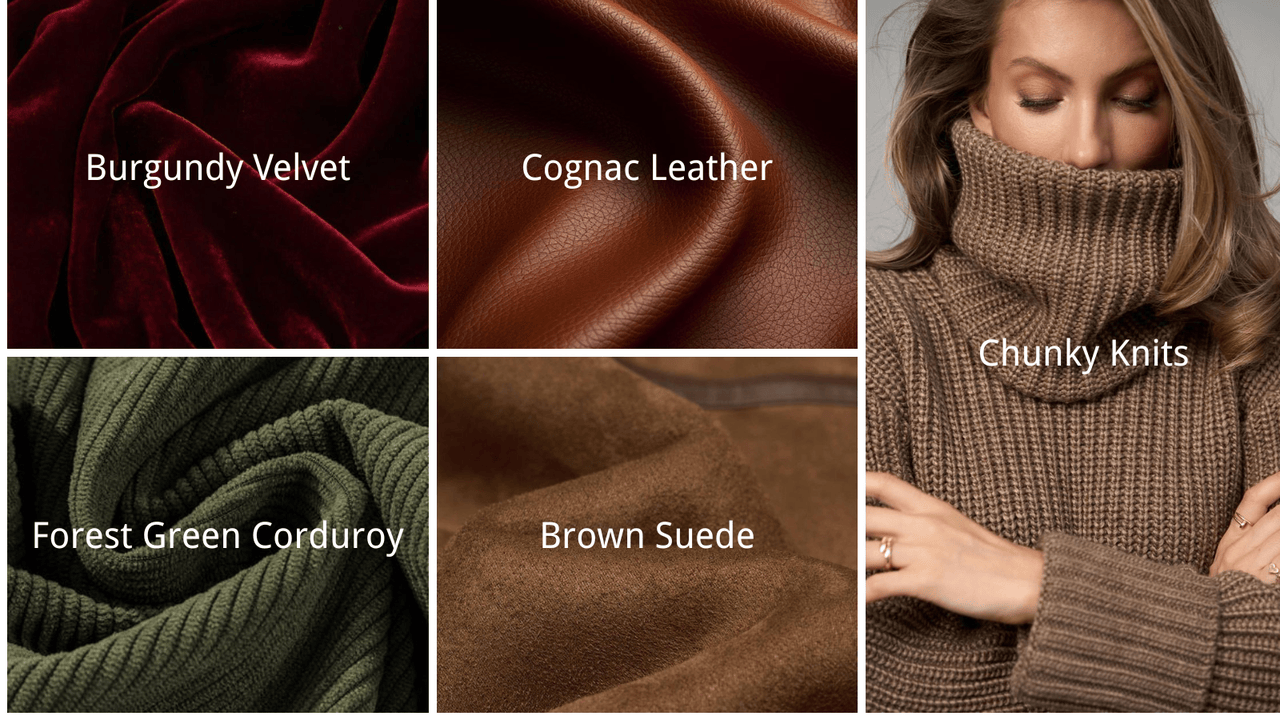
- Velvet & Corduroy: These fabrics absorb light and make colors like burgundy and forest green look even deeper.
- Leather & Suede: The natural finish of leather (especially in cognac or brown) complements your warm skin texture perfectly.
- Chunky Knits: Thick wool and cashmere add the necessary "weight" to match your presence.
Beauty Guide: Makeup & Hair
Your face is the canvas for your palette. Using the wrong makeup shades or hair colors can undo all the hard work you put into your outfit.
Finding Your Best Hair Color
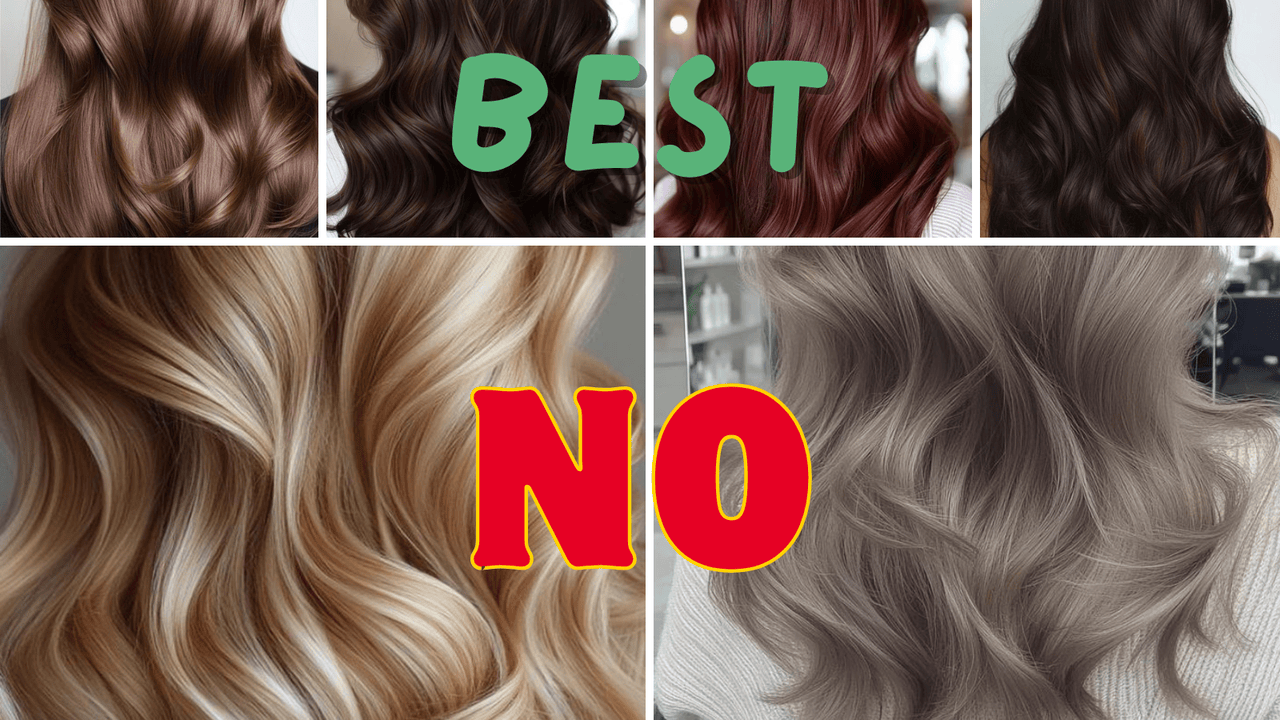
Changing your hair color is a big commitment, so choosing the right shade is crucial. When searching for the best deep autumn color palette hair color, the golden rule is to maintain warmth and depth.
- Best Shades:
- Rich Chestnut: A deep brown with subtle red/gold highlights.
- Chocolate Brown: A solid, glossy dark brown that looks healthy and expensive.
- Auburn/Copper: If you want to go lighter or redder, ensure it's a deep, toasted copper, not a bright strawberry blonde.
- Warm Black: If you have naturally black hair, keep it. If you dye it, ensure it's a "soft black" or "brown-black," not a blue-black.
- What to Avoid:
- Platinum Blonde: This creates a harsh, artificial contrast that drains color from your face.
- Ashy Tones: "Mushroom brown" or cool ash blondes will clash with your warm skin, making you look grey.
Makeup Essentials
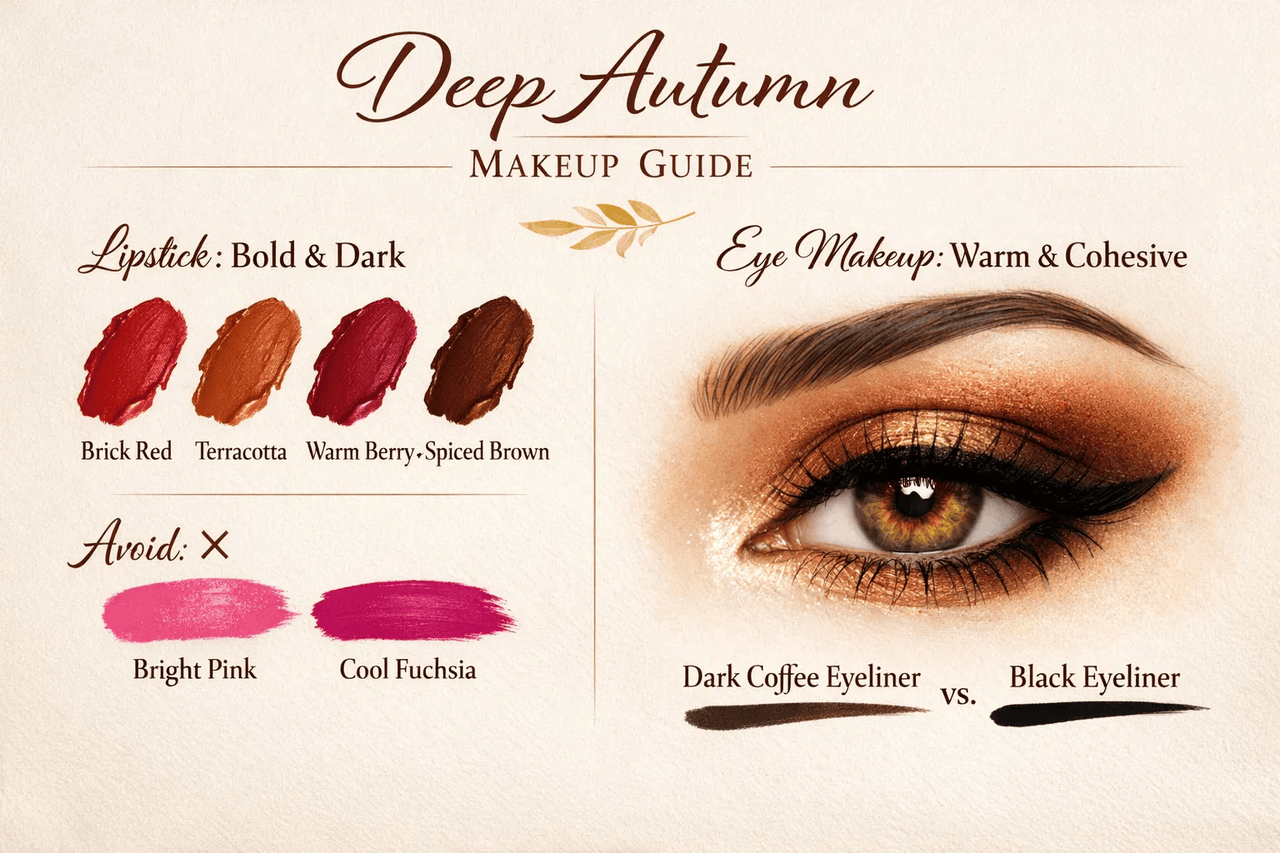
Deep Autumn makeup is all about warm, earthy intensity.
- Lipstick: You are one of the few seasons that can effortlessly pull off bold, dark lips.
- Go-to shades: Brick red, terracotta, warm berry, and spiced brown.
- Avoid: Bright bubblegum pink or cool fuchsia.
- Eye Makeup:
- Swap Black for Brown: Pure black liquid liner can sometimes look too harsh. Try switching to an Espresso or Dark Coffee eyeliner. It defines your eyes just as well but looks much more cohesive.
- Eyeshadows: Bronze, gold, olive green, and copper eyeshadows are stunning on you. They bring out the golden flecks in Deep Autumn eyes.
Accessories & Metals: The Finishing Touch
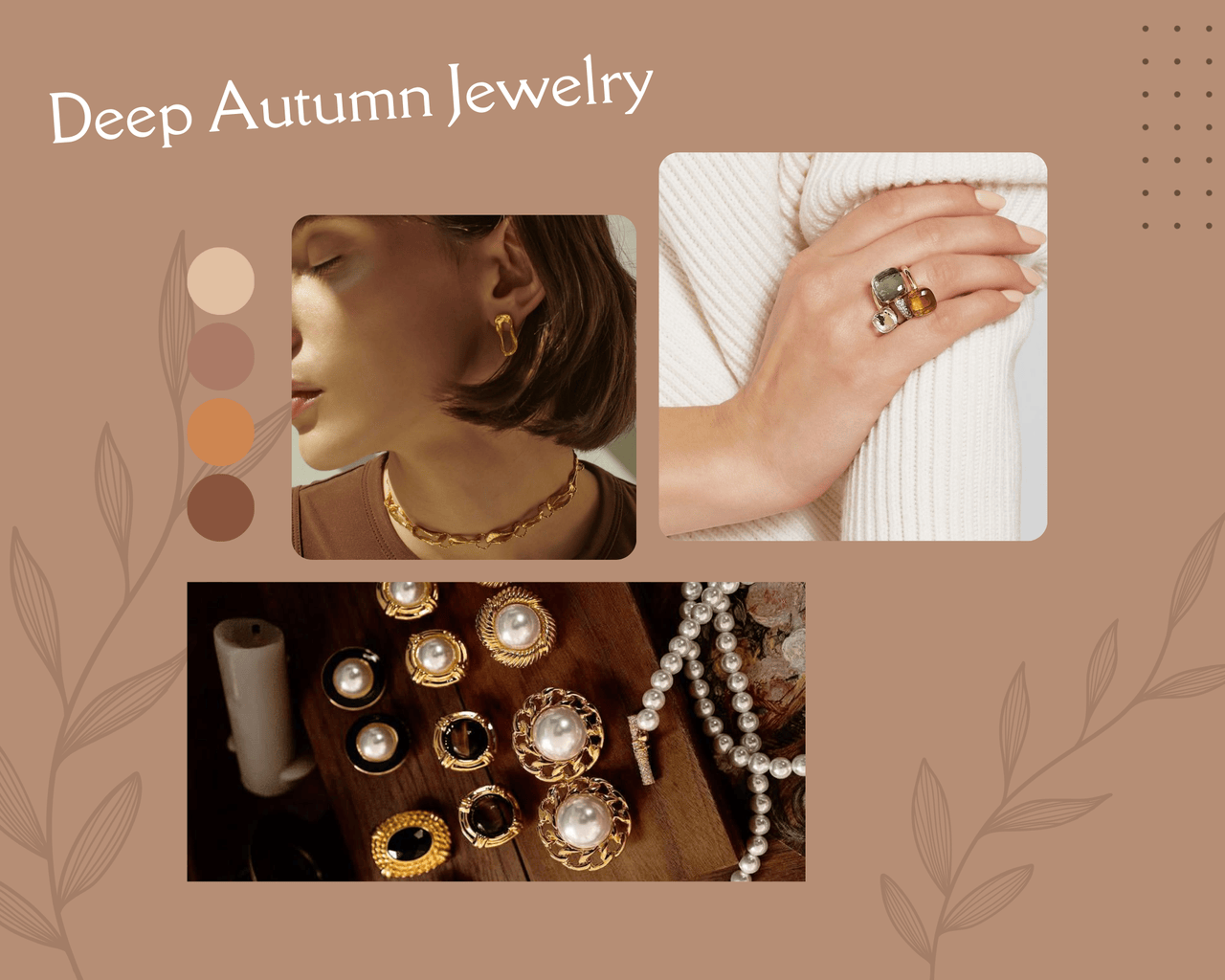
Jewelry is not just an add-on; it sits directly against your skin, making it a critical part of your color analysis. Choosing the right deep autumn color palette jewelry can instantly light up your face.
- Go for Gold: Because of your warm undertones, Gold is your best friend. Whether it's shiny yellow gold or a deeper brushed gold, it mirrors the warmth in your skin.
- Other Warm Metals: Brass, Bronze, and Copper are also spectacular choices. They harmonize with the earthy richness of your palette.
- The Silver Question: Can you wear silver? Generally, bright, icy silver clashes with Deep Autumn skin. However, if you prefer cool-toned metals, opt for Pewter or Antique Silver. The darkened, oxidized finish of these metals works much better than bright chrome.
- Gemstones: Look for stones that echo nature's autumn hues: Amber, Garnet, Topaz, Citrine, and Jasper.
Celebrity Inspiration
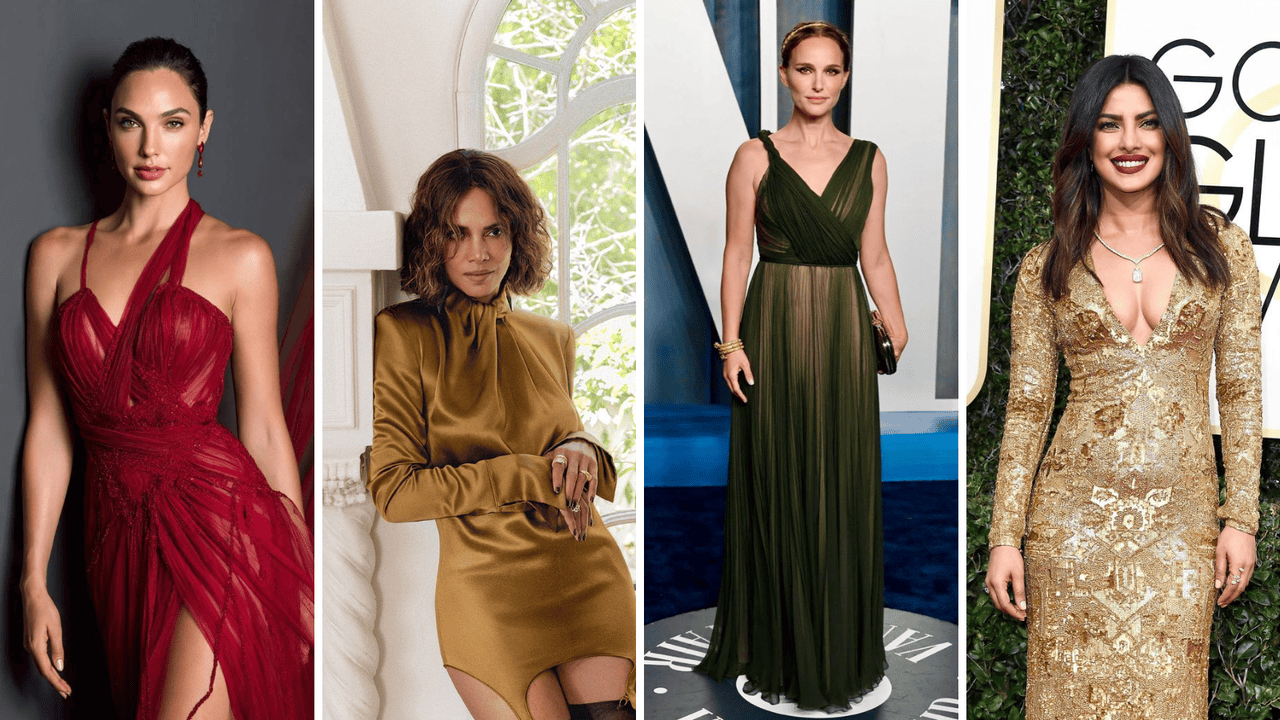
Sometimes the best way to understand your season is to look at icons who share your coloring. Searching for
deep autumn color palette celebrities will give you endless inspiration.
Here are some famous Deep Autumns to study:
- Gal Gadot: Notice how she stuns in deep reds and gold but can look slightly washed out in pale pastels.
- Halle Berry: A perfect example of a Deep Autumn with a glowing, warm complexion. She shines in mahogany and bronze tones.
- Natalie Portman: Her dark eyes and hair contrast beautifully with her skin. She often wears deep browns and forest greens that highlight her features.
- Priyanka Chopra: Often mistaken for a Winter due to high contrast, but her skin has a distinct warm, golden quality that glows in rich autumn hues.
Conclusion: Own Your Richness
Being a Deep Autumn is about embracing intensity. You are not designed to fade into the background with beige or wash yourself out with icy pastels. You are designed for the richness of the earth—deep woods, dark spices, and golden sunsets.
Whether you are just starting to declutter your closet or looking for that perfect shade of lipstick, remember that your deep autumn color palette is a tool to highlight your natural beauty, not a set of rigid rules. Start with a few key pieces—perhaps a rust-colored scarf or a gold necklace—and watch how your complexion responds.
Step into the depth, embrace the warmth, and let your natural colors shine.
Frequently Asked Questions
Can Deep Autumns wear black?
Yes, Deep Autumns can wear black because it shares the "depth" characteristic of their season. However, pure black can sometimes look a bit harsh next to warm skin. To make it flatter you, keep black away from your face (e.g., wear it as trousers or a skirt), or choose "warm blacks" like Dark Chocolate or Black-Brown, which harmonize much better with your golden undertones.
What is the difference between Deep Autumn and Deep Winter?
The main difference is the undertone. While both seasons are dark and high-contrast, Deep Autumn has a Warm undertone (leaning towards gold/yellow), whereas Deep Winter has a Cool undertone (leaning towards blue). A simple test is that Deep Autumns glow in gold jewelry and rich browns, while Deep Winters shine in silver jewelry and pure black.
Can Deep Autumns wear white?
Pure, bright optical white is usually too stark and cool for a Deep Autumn, often making them look washed out or tired. Instead of pure white, opt for Cream, Ivory, Oyster White, or soft Beige. These off-white shades have a subtle warmth that complements your complexion while still acting as a classic neutral.
Should Deep Autumns wear gold or silver jewelry?
Gold is the best choice for Deep Autumns as it enhances the warmth in their skin. Bronze, Copper, and Brass are also excellent. If you prefer silver, avoid bright, shiny chrome silver. Instead, choose Pewter, Oxidized Silver, or Antique Silver, which have a darker, muted finish that doesn't clash with your rich coloring.
What are the best hair colors for Deep Autumn?
The best hair colors for Deep Autumn retain warmth and depth. Look for shades like Rich Chestnut, Dark Chocolate, Warm Black, or Deep Auburn. It is crucial to avoid cool, ashy tones (like Platinum Blonde or Ash Brown), as these can drain the life from your warm complexion and make your skin look grey.