TL;DR: Short on time? Here is the summary:
The Problem: Traditional professional color analysis is accurate but expensive ($300+), hard to book, and subject to human bias and lighting errors.
The Solution: AI technology has democratized the process. By using objective, pixel-level data, we offer professional-grade precision at a fraction of the cost.
The Tech: We use the advanced 16-Season System (not just the basic 4 or 12), ensuring even the most nuanced neutral skin tones are correctly identified.
The Result: You get an instant, personalized report including your Power Colors, makeup guide, and a strategy to build a cohesive capsule wardrobe. Try the AI Color Analysis now
Ever bought a stunning outfit, only to put it on and feel... off? The fit is perfect, but something isn't right. Your skin looks tired, or the clothes seem to "wear you."
You aren't imagining it. The problem is Color.
For decades, Professional Color Analysis has been the stylist's secret weapon. By aligning colors with your natural features, you can instantly look healthier and more vibrant. However, accessing this "magic" used to mean booking scarce appointments and paying upwards of $300 for a single session. It was a luxury most couldn't justify.
But in 2026, the game has changed.
We are redefining "professional" with Data-Driven Precision. You no longer need a human consultant to find your true colors. By combining advanced AI with the granular 16-Season System, we offer a solution that eliminates human bias and high costs. It's professional-grade analysis—accurate, affordable, and accessible from the comfort of your home.
What is Professional Color Analysis? The Science Behind the Magic
Many people think color analysis is just a passing TikTok trend, but it is actually rooted in established color science. When you search for professional color analysis, you aren't just looking for an opinion on what looks "nice"—you are looking for a scientific evaluation of how light interacts with your natural pigmentation.
This is why simply guessing or asking a friend often fails. While many people start their journey by Googling "color analysis near me" or hunting for personal color analysis consultants, it is crucial to first understand the scientific principles that these experts—and advanced algorithms—use to determine your season.
Here is the breakdown of the science behind the magic:
The Foundation: Munsell Color Theory
At the heart of every professional assessment (whether it's an in-person color analysis or a digital one) lies the Munsell Color System. This system categorizes every color based on three specific dimensions:
- Hue: The temperature of the color. Is it Warm (yellow-based) or Cool (blue-based)?
- Value: The depth of the color. Is it Light (high value) or Dark (low value)?
- Chroma: The intensity of the color. Is it Bright/Clear (highly saturated) or Soft/Muted (greyed out)?
Skin Undertone: The Canvas
Your surface skin color changes with the sun or illness, but your Undertone remains constant. This is the most critical factor professional color analysis consultants look for.
- Cool: You have pink, red, or blue undertones. (Traditional test: Veins appear blue; you burn easily in the sun).
- Warm: You have yellow, peachy, or golden undertones. (Traditional test: Veins appear green; you tan easily).
- Neutral: A complex mix of both. This is the hardest category to identify accurately without professional tools.
Contrast Levels: The Depth
Contrast refers to the difference in lightness between your skin, hair, and eyes.
- High Contrast: Think of "Snow White" coloring—very dark hair against pale skin. These types often shine in bold, distinct colors.
- Low Contrast: Your hair, skin, and eyes have similar values (e.g., all light or all medium-deep). These types look best in monochromatic or blended color schemes.
The Goal: Visual Harmony
The ultimate goal of professional color analysis is Harmony. When the colors you wear align with your natural Hue, Value, and Chroma, they create a visual continuity. Your face becomes the focal point, not your clothes. The right colors smooth out your complexion, while the wrong ones create shadows and dissonance.
Why the 16-Season System is Superior
Color analysis isn't static; it has evolved. While the original concepts were simple, modern professional color analysis demands far greater precision. If you have ever felt that your seasonal palette didn't quite fit, the problem likely wasn't your features—it was the system used to analyze them.
Here is why the 16-Season System is the new gold standard for accuracy:
The Evolution: From Simple to Precise
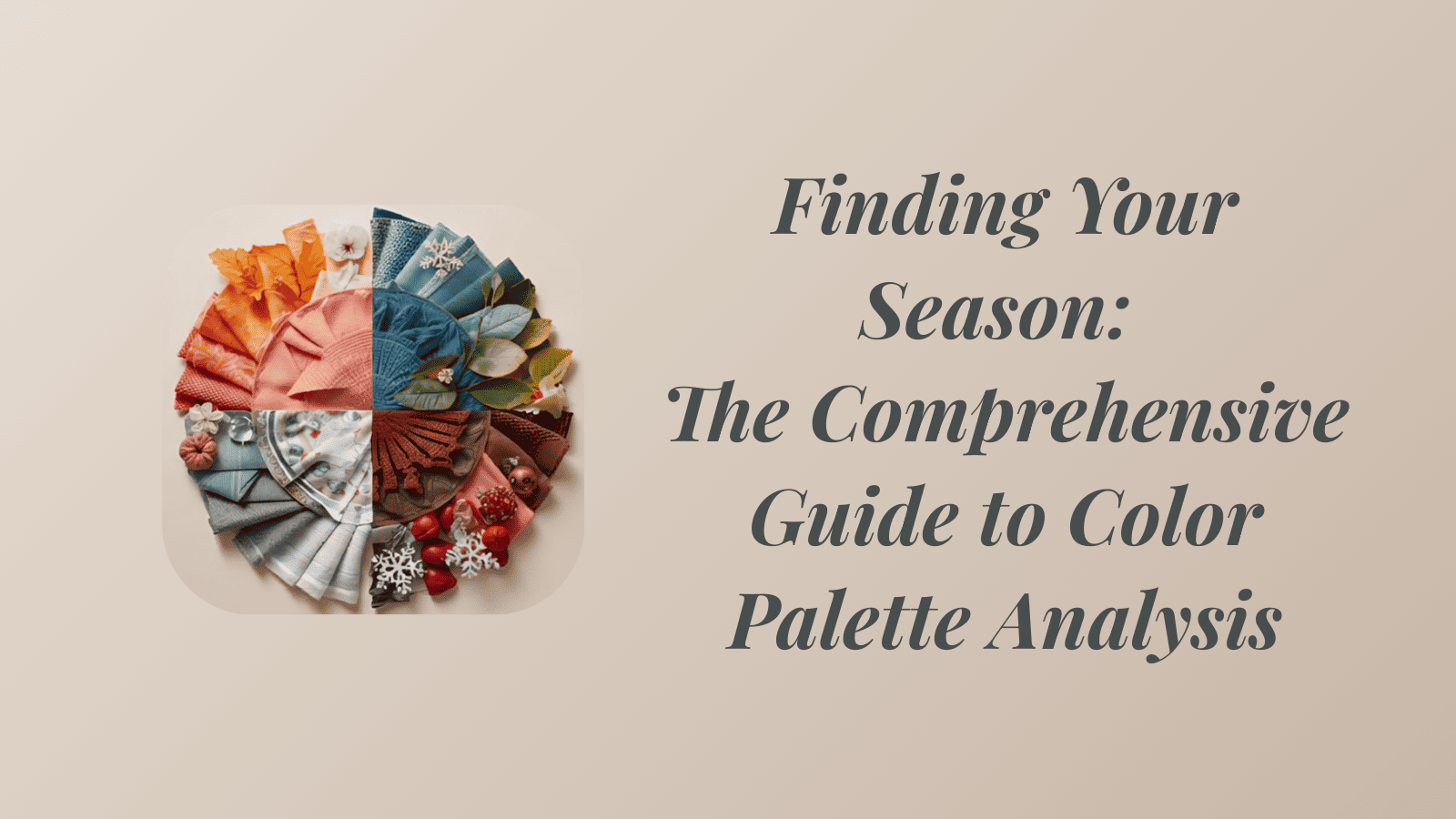
- 4-Season System (The 1980s Standard): This basic model divided everyone into Spring, Summer, Autumn, and Winter. It was revolutionary at the time but far too broad for most people.
- 12-Season System (The Consultant Standard): Most personal color analysis consultants use this system, adding a "Flow" (e.g., Soft Autumn vs. Warm Autumn). It's better, but still leaves gaps for neutral skin tones.
- 16-Season System (The Modern Precision): This is the most advanced framework available today. It accounts for temperature, value, and chroma with granular detail, filling the voids left by older methods.
The Limitation of "Less"
Many people who search for "color analysis near me" end up with a 12-season result that feels "almost right" but not quite perfect. This often happens because the 12-season model forces unique, neutral-leaning complexions into strict categories. For example, if you are a "Soft Summer" but have a slightly deeper value, a standard in-person color analysis using 12 seasons might misdiagnose you simply because there isn't a category for "Deep Summer."
The 16-Season Advantage: Handling the Nuance
The 16-season system introduces critical sub-categories that make all the difference. It recognizes that human coloring exists on a spectrum.
- Example: In a 12-season system, a "Cool Summer" is just Cool. But in the 16-season system, we distinguish between a True Summer (absolutely cool) and a Light Summer (cool but with high brightness).
- Neutral-Warm/Cool: This system excels at identifying those tricky "in-between" skin tones. It doesn't force you to be 100% Warm or 100% Cool.
By using the 16-season approach, professional color analysis moves beyond broad generalizations. It delivers a truly customized palette that respects the unique flow of your natural features—something that older, simplified systems simply cannot achieve.
Benefits: Why You Need Professional Analysis
Now that you understand science, you might be asking: "Why does this matter in my daily life?" The truth is, professional color analysis is not just about vanity—it is a strategic investment in yourself.
Here are three undeniable reasons why getting analyzed is a game-changer:
Stop Wasting Money & Build a Capsule Wardrobe
How many items in your closet still have tags on them? We all have those impulse buys that looked great on the mannequin but terrible on us.
By knowing your exact season, you stop guessing. You stop buying clothes that don't serve you. Instead, every purchase becomes a deliberate addition to a cohesive Capsule Wardrobe, where everything mixes and matches effortlessly. A professional color analysis pays for itself by saving you from just one bad shopping mistake.
Instant Confidence Boost (The "Glow" Effect)
Wearing the wrong color can cast shadows on your face, emphasizing dark circles, wrinkles, and uneven skin tone. Conversely, wearing your "Power Colors" acts like a real-life Instagram filter.
- The Result: Your eyes look brighter, your skin looks smoother, and you appear healthier and more rested—even without makeup. This isn't magic; it's optical physics. The confidence that comes from knowing you look your best is invaluable.
Streamlined Shopping
Walking into a clothing store or browsing online can be overwhelming. There are thousands of options.
Armed with your personal color palette, you gain "tunnel vision" in the best way possible. You can scan a rack and instantly ignore 80% of the items that don't fit your season. Professional color analysis turns shopping from a stressful chore into a fast, efficient, and satisfying experience. You know exactly what works, saving you hours of time and indecision.
Redefining "Professional": Human Consultant vs. AI Technology
For a long time, the only way to get a "professional" result was to visit a studio. But as technology advances, the definition of professional color analysis is shifting. It is no longer about who performs the analysis, but the precision of the data behind it.
The Limitations of Traditional Human Analysis
While professional color analysis consultants are skilled, the traditional process has inherent flaws that can affect your results:
- High Cost Barrier: A standard session typically costs between $200 and $500+. For many, this price tag makes color analysis an unattainable luxury.
- Accessibility Issues: Finding a qualified expert often means traveling to a major city or waiting months for an appointment. In-person color analysis is simply not accessible to everyone.
- Human Error & Bias: Even the best consultant is human. Eye fatigue after hours of draping, personal aesthetic preferences, or even a bad mood can subtly influence their judgment.
- Lighting Inconsistency: Natural light changes throughout the day. A cloud passing over the sun during your session can alter how a color reflects on your skin, leading to potential misdiagnosis.
The AI Solution: Data-Driven Precision
This brings us to the most common question: "Is AI color analysis actually accurate?"
The answer is yes—and in many ways, it is more consistent than the human eye. Here is why Data-Driven AI is the new standard:
- Objective Analysis: Unlike a human, AI has no opinion. It analyzes your facial features pixel-by-pixel, measuring skin hue, value, and intensity with mathematical objectivity. It doesn't care about trends; it cares about data.
- Consistency & White Balance: One of the biggest challenges in color analysis is lighting. Advanced AI algorithms utilize automatic white balance correction. This means the technology can "see through" poor lighting conditions to identify your true skin tone, eliminating the environmental errors that plague in-person sessions.
- Affordability & Comfort: Technology democratizes beauty. By automating the technical analysis, we can offer professional-grade results at a fraction of the cost. You can get a comprehensive, 16-season analysis from your living room, without the travel or the heavy price tag.
Professional color analysis is no longer defined by the price you pay, but by the accuracy of the result you receive.
What to Expect from Your AI Color Analysis Report
A true professional color analysis doesn't just give you a label—it gives you a roadmap. When you use our AI-driven platform, you aren't just finding out if you are a "Winter" or a "Spring"; you are unlocking a comprehensive style guide tailored specifically to your data.
Here is what you will find inside your personalized report:
Your Precise Seasonal Profile
We move beyond broad categories. You will receive a definitive placement within the 16-Season System (e.g., Cool Winter, Soft Autumn, or Light Spring), explaining exactly where you sit on the spectrum of hue, value, and chroma.
A Comprehensive Color Palette
Knowing your season is one thing; knowing how to use it is another. Your palette includes:
- Power Colors: The specific shades that make you look your absolute best. Wear these near your face for maximum impact.
- Neutral Essentials: The foundation of your wardrobe (coats, trousers, shoes). These are the colors that go with everything.
- Colors to Avoid: equally important is knowing what not to wear. We identify the shades that will wash you out or clash with your undertone, saving you from future fashion regrets.
Detailed Facial Analysis
Understanding your color is only half the battle; understanding your Contrast Level is the other. Our report analyzes the natural contrast between your skin, hair, and eyes. This tells you how to style your outfits—whether you look better in high-contrast combinations (like black and white) or low-contrast, monochromatic looks.
Complete Style & Beauty Guidance
We translate your color data into actionable advice for your daily look:
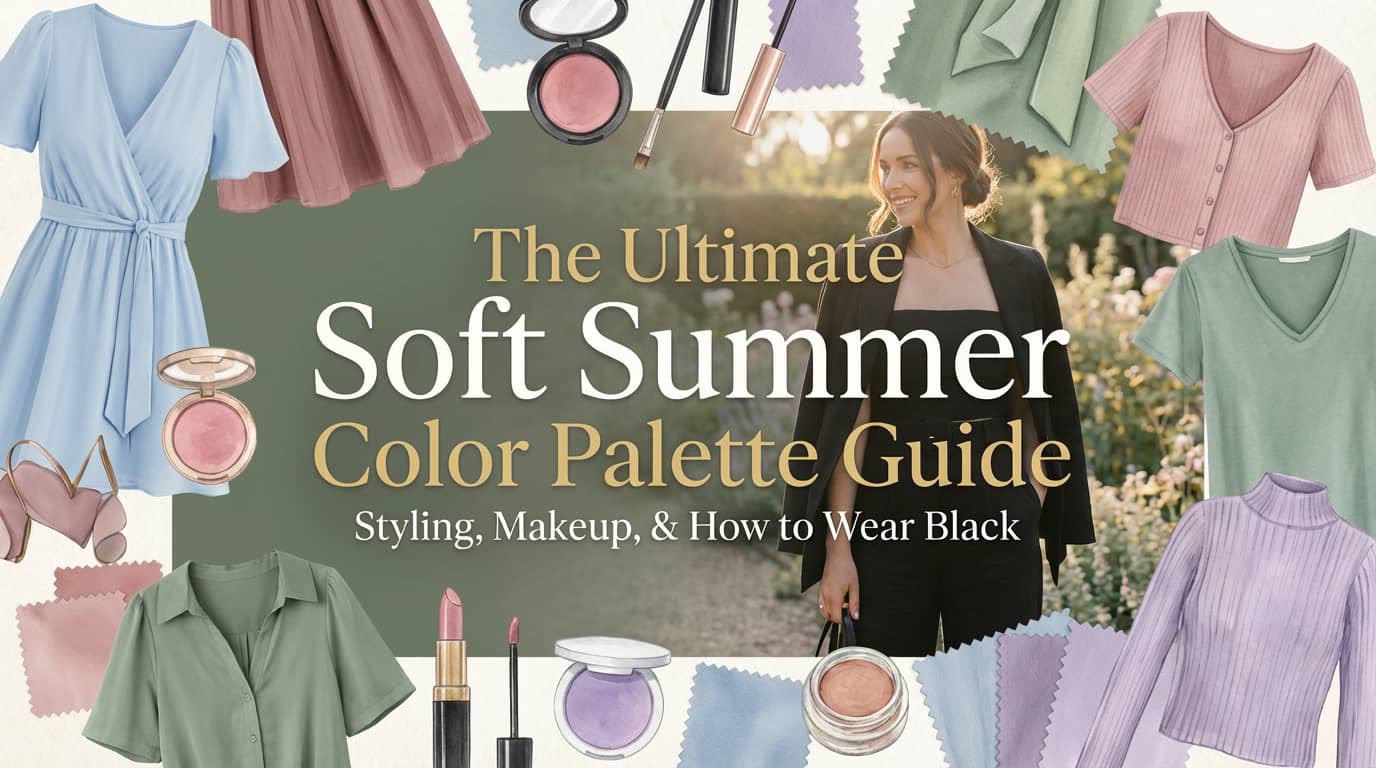
- Makeup: Stop guessing at the counter. We recommend specific shades for lipstick, blush, and eyeshadow that harmonize with your skin.
- Hair Color: Thinking of a change? We suggest hair dyes that will look natural and flattering, preventing expensive salon disasters.
- Jewelry: Finally answer the age-old question: Gold, Silver, Rose Gold, or Copper? We analyze which metals make your skin glow.
- Outfit Inspiration: Get concrete examples of how to combine your colors into stylish outfits, helping you visualize your new look.
How to Apply Your Results: From Report to Real Life
Getting your professional color analysis report is the first step, but the real magic happens when you start applying it. A common frustration is staring at a digital palette and thinking, "Okay, I'm a Deep Autumn, but how do I actually use these colors?"
Here is a practical, step-by-step guide to turning your results into a wardrobe you love:
The "Face-First" Rule
You don't need to throw away everything that isn't in your season. The most critical area for color harmony is directly around your face.
- Action: Wear your Power Colors as tops, scarves, earrings, or makeup.
- Hack: Have a beloved sweater in a "wrong" color? Save it by wearing a scarf in one of your "best" shades between the sweater and your face. This breaks the negative reflection on your skin.
The Closet Edit (Shop Your Own Wardrobe)
Before buying anything new, use your digital palette to audit what you already own.
- Action: Open your closet and hold your phone's color palette up to your clothes. Separate items into "Harmonious" (Keep) and "Clashing" (Donate/Sell). You will likely find that your favorite pieces—the ones you always feel good in—already match your results.
Strategic Shopping
Stop impulse buying. Your color palette is your new shopping filter.
- Example: Let's say your report identifies you as a Deep Autumn.
- Old Habit: You instinctively grab a black dress because it's "safe."
- New Strategy: You check your palette and see that black is too harsh. Instead, you opt for a Dark Chocolate Brown or Forest Green dress.
- The Result: The richness of the brown complements your warm, deep features, making your skin glow, whereas black would have made you look pale.
Makeup Micro-Adjustments
Changing your makeup is the fastest, cheapest way to see a difference.
- Example: If you are a Light Summer (Cool & Mute), swap your heavy bronzer and orange-red lipstick for a soft, cool pink blush and a berry-tinted gloss. The change in your overall radiance will be instant.
By following these simple steps, you turn abstract color theory into a daily habit that simplifies your life and elevates your style.
Conclusion: Unlock Your Best Self Today
Color analysis is more than just a beauty trend; it is a journey of self-discovery. It's about understanding what makes you unique and learning how to highlight it.
In the past, this journey was reserved for the few who could afford luxury consultations. But today, technology has bridged the gap. By combining the rigorous science of the 16-Season System with Data-Driven AI, we have made professional color analysis simple, precise, and affordable for everyone.
You no longer need to guess, and you certainly don't need to overspend to find your style.
FAQ: Professional Color Analysis
How much does a professional color analysis cost?
Traditionally, an in-person session with a certified consultant costs between $200 and $500. However, AI-driven platforms like AI Color Analysis have made professional-grade analysis accessible for a fraction of that price, offering a cost-effective alternative without sacrificing accuracy.
Are online color analyses accurate?
Yes, often more accurate than traditional methods. While human consultants can be affected by lighting changes or personal bias, AI color analysis relies on objective data. By analyzing your skin's pixel values and using white-balance correction, AI provides a consistent, data-driven result that eliminates human error.
What is the difference between the 12-season and 16-season systems?
The 12-season system is the standard for most consultants, but it can be too broad for neutral skin tones. The 16-season system is more advanced, adding critical sub-categories (like "Soft" or "Deep" variants) to account for nuanced flow temperatures. This precision ensures you get a truly personalized palette, rather than a generic one.
Is professional color analysis worth the money?
Absolutely. Think of it as an investment in a capsule wardrobe. By knowing your exact season, you stop wasting money on clothes that don't flatter you. It streamlines your shopping, boosts your confidence, and ensures every item you buy contributes to a cohesive, versatile closet.
Can I do a professional color analysis at home?
Yes. You no longer need to visit a studio. To get professional results at home, simply upload a photo taken in natural light (without makeup) to our AI platform. Our algorithm analyzes your features instantly and delivers a comprehensive report on your palette, makeup, and style recommendations.