TL;DR: Stop guessing your best colors with outdated "vein tests." Traditional 4-season methods often fail because they lack precision. This guide explores how AI technology and the advanced 16-Season Theory are revolutionizing clothing color analysis. You will learn why "neutral" skin tones are often misdiagnosed, how to build a capsule wardrobe based on your scientific color profile, and how to get a professional-grade analysis in seconds using our AI tool. Ready to transform your style? Upload your photo now to find your perfect palette instantly.
We've all been there: standing in front of a bursting closet, yet feeling like we have absolutely nothing to wear. Or perhaps you've bought a trending outfit that looked stunning on an influencer, but when you put it on, it made you look tired, washed out, or strangely shadowy.
The problem isn't your body shape, and it's likely not the style of the garment. The secret lies in the color.
Welcome to the world of clothing color analysis—the game-changing science that helps you stop guessing and start glowing. For decades, finding your perfect palette meant expensive consultations or confusing "vein tests." But the industry is evolving.
Forget the outdated rules of the past. In this guide, we'll explore how AI technology combined with the precision of the 16-Season Theory is revolutionizing the way we dress. We'll show you why understanding your unique color profile is the fastest way to build a wardrobe that makes you look vibrant, healthy, and effortlessly stylish every single day.
Why Traditional "4-Season" Clothing Color Analysis Tests Fail You
If you have ever spent hours staring at your wrist trying to decide if your veins are blue or green, you are not alone.
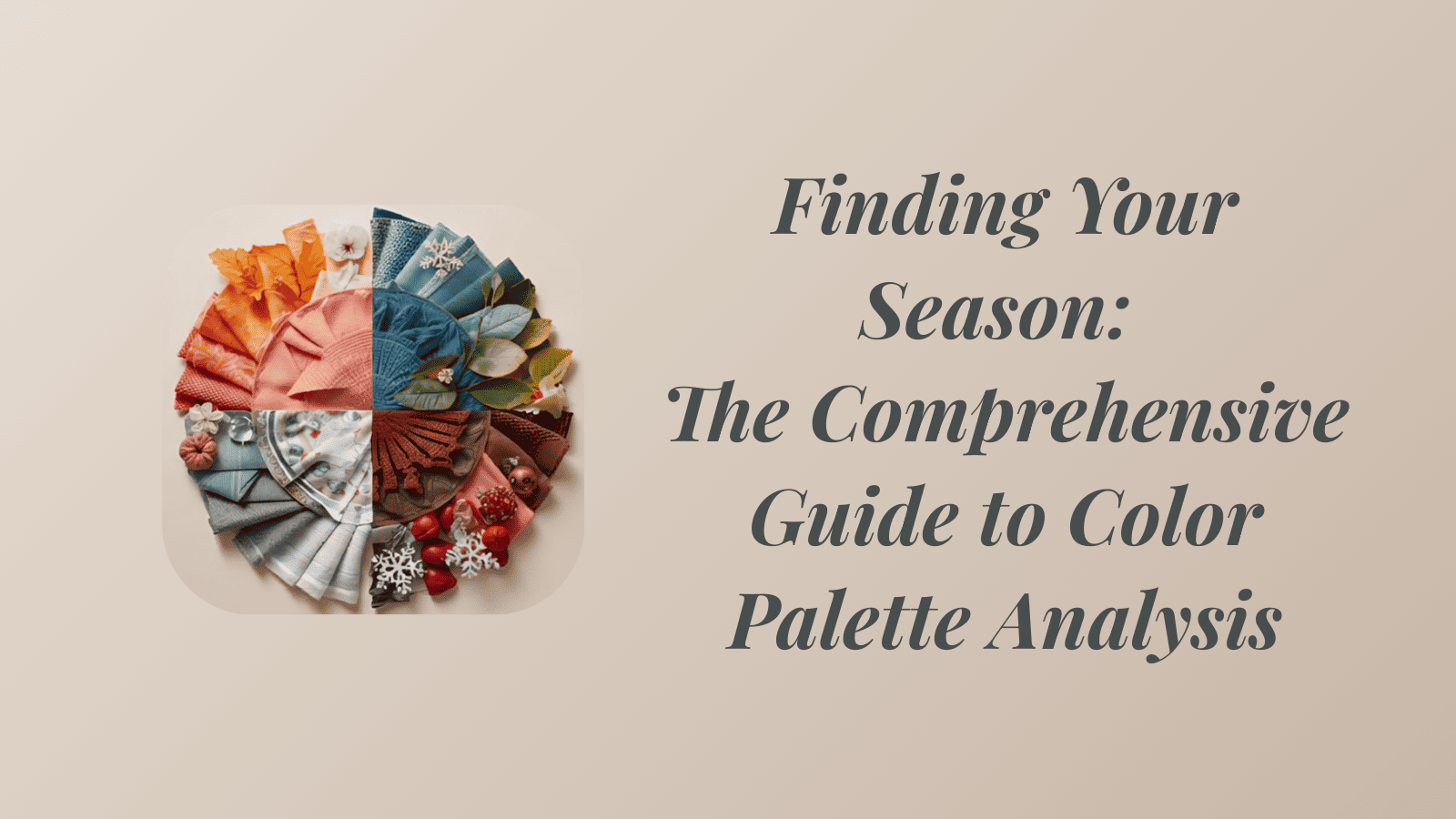
Most people start their journey with a quick Google search for a free color analysis or by taking a generic seasonal color analysis quiz. While these tools are fun, they often rely on outdated methods that leave users more confused than before. The traditional "4-Season Theory" (Spring, Summer, Autumn, Winter) is simply too broad for the complexities of modern human skin tones.
Here is why relying on old-school advice often leads to the wrong clothing color analysis results:
The "Am I Cool or Warm?" Confusion
The most common stumbling block is determining your skin's undertone. The classic advice says: "Blue veins mean Cool, Green veins mean Warm."
But what if your veins look teal, purple, or invisible? This method is notoriously inaccurate, especially for those with Olive skin tones or darker complexions. Olive skin often has a green or grey overtone that masks the true undertone, making a "Warm Autumn" look like a "Cool Winter" under the wrong lighting. If you get this foundational step wrong, your entire personal color analysis will be off, leading you to buy clothes that clash with your natural glow.
The "Black Hair = Winter" Stereotype
Another major pain point arises from judging based on isolated features rather than overall harmony.
For example, a common user query is: "I have black hair and pale skin, so I must be a Winter, right?" Not necessarily.
While high contrast often points to Winter, many people with dark hair and fair skin actually belong to the "Deep Autumn" category. They need rich, warm, muted tones, not the icy, sharp colors of a Winter palette. Without understanding your contrast level and clarity (chroma), simply asking "color analysis, what season am I" based on hair color alone can lead to a wardrobe disaster.
These nuances are exactly why a simple 4-season breakdown isn't enough—and why you need a more advanced approach.
The Solution: Precision with 16 Seasonal Color Analysis
To fix the errors of the basic 4-season model, professional stylists rely on the 16 seasonal color analysis system (also known as the "Flow Theory"). This advanced method doesn't just put you in a box; it analyzes your coloring across three critical dimensions:
- Hue (Temperature): Is your undertone Cool (blue-based) or Warm (yellow-based)?
- Value (Depth): How Light or Deep is your overall coloring? (e.g., Do you have deep espresso hair or light blonde hair?)
- Chroma (Clarity): This is often the missing link. Is your coloring Clear/Bright (highly saturated) or Soft/Muted (blended and greyed-out)?
By combining these dimensions, the 16-season system expands the original four categories into more specific subgroups using dominant traits: Light, Deep, Clear (Bright), and Soft.
Why This Matters for Your Wardrobe
You might be asking, "Do I really need to know if I am 'Soft' or 'True'?" The answer is a resounding yes.
Precision is everything in clothing color analysis. Let's look at a practical example:
- In the old system, if you were an Autumn, you might be told to wear pumpkin orange.
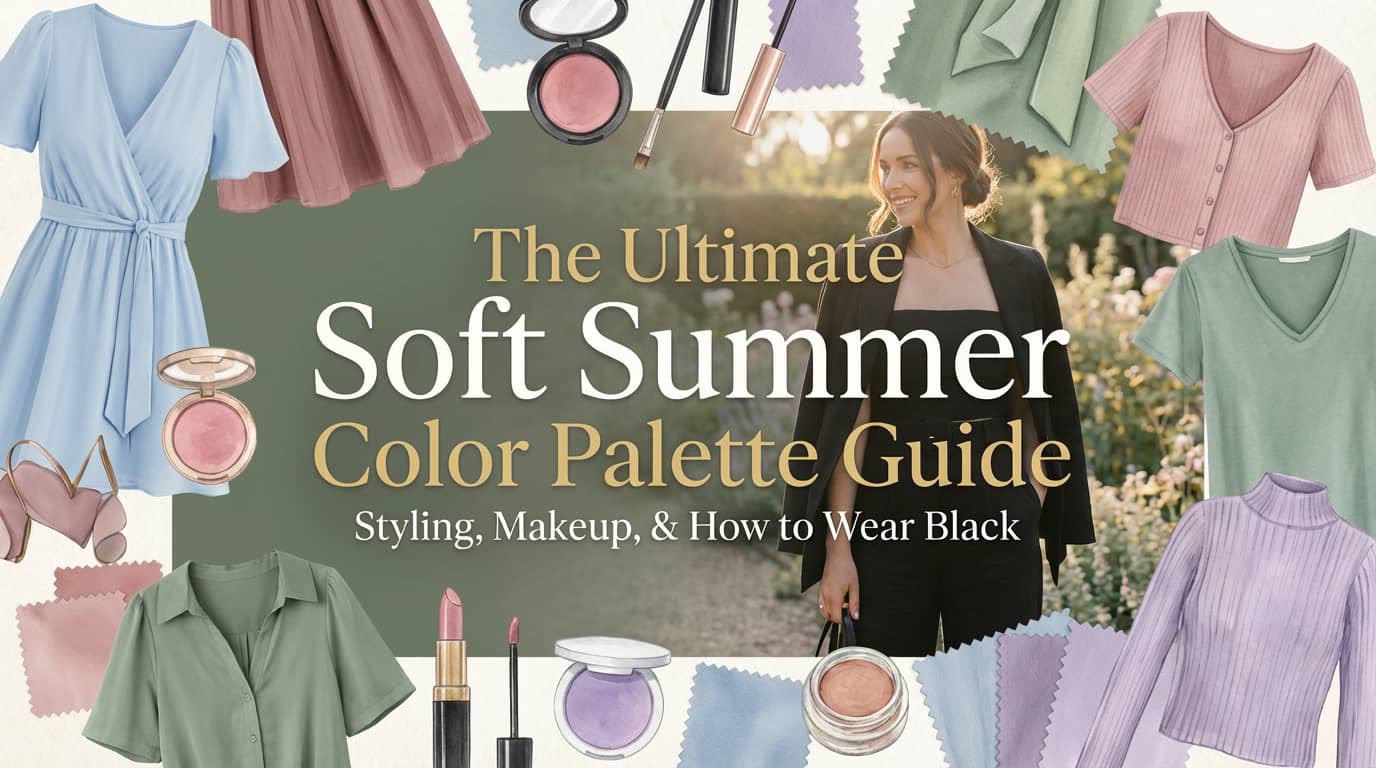
- But if you are actually a Soft Autumn (an Autumn that flows into Summer), that bright pumpkin orange will look too harsh on you. Instead, you shine in muted tones like sage green or dusty rose.
Understanding these nuances ensures that your 16 seasonal clothing color analysis results translate into a wardrobe that actually works, saving you from buying clothes that sit in your closet unworn.
From Theory to Closet: Building Your Capsule Wardrobe
Once you have your clothing color analysis report, the real fun begins. The goal isn't to throw away all your clothes, but to strategically build a capsule wardrobe—a collection of essential items that all mix and match perfectly because they share the same color DNA.
How to Shop Like a Pro (Without Memorizing Every Color)
Knowing you are a "Summer" is useless if you don't know how to apply it. Here is the cheat sheet:
- The Face Zone Rule: Your best colors should always be worn closest to your face (tops, scarves, earrings). This is where they work their magic to reduce dark circles.
- The 80/20 Balance: You don't need to replace your whole wardrobe. Aim for 80% of your core items (coats, blazers) to be in your season, and keep 20% for fun trends.
- The "Swatch Test": Save your digital palette from our tool to your phone. When shopping, hold your phone screen against the fabric. If the colors blend harmoniously, buy it. If they clash, skip it.
Here are a few real-life color analysis examples of how to translate your AI results into stunning outfits:
🍂 If You Are a "Deep Autumn"
- The Vibe: Rich, warm, and sophisticated. Think of a forest in late October.
- Your Power Outfit: A tailored caramel or rust-orange trench coat over a cream cable-knit sweater.
- Accessories: Finish the look with gold hoop earrings or a leather bag in warm chocolate brown.
- The Effect: These colors smooth out your complexion and make your eyes look intense and warm. Avoiding stark black near your face prevents you from looking washed out.
🌸 If You Are a "Light Summer"
- The Vibe: Airy, delicate, and fresh. Think of a watercolor painting.
- Your Power Outfit: A flowy lavender or powder blue silk blouse paired with soft charcoal grey trousers (instead of harsh black).
- Accessories: Delicate silver jewelry or pearls work best for you.
- The Effect: These cool, muted tones harmonize with your low-contrast features, making your skin look porcelain-smooth rather than pale or sickly.
❄️ If You Are a "Clear Winter"
- The Vibe: Bold, sharp, and high-contrast. Think of Snow White.
- Your Power Outfit: A striking Royal Blue blazer worn over a crisp, pure white shirt.
- Accessories: Go for statement pieces in shiny silver or platinum.
- The Effect: While others might be overwhelmed by these strong colors, you come alive in them. They define your jawline and make your eyes pop.
How AI Technology Revolutionizes Color Analysis
For years, getting a professional color diagnosis meant sitting in a studio with a consultant for hours, draping hundreds of fabric swatches across your chest. While effective, it was also time-consuming, expensive (often costing $300+), and surprisingly subjective. Even the best human eye can be tricked by bad lighting or personal bias.
This is where AI color analysis changes everything.
By leveraging advanced computer vision and machine learning algorithms, modern color analysis tech can now dissect your unique features with pixel-perfect precision. Unlike a human stylist who might have an "off day," an AI system analyzes thousands of data points from your skin, eyes, and hair instantly to determine your exact placement on the 16-season spectrum.
Introducing Your AI Stylist: AI Color Analysis
At AI Color Analysis, we have trained our AI on millions of images to understand the subtle nuances of human coloring. Whether you have olive skin, freckles, or dyed hair, our technology cuts through the noise.
It doesn't just guess; it calculates the precise balance of Hue, Value, and Chroma in your complexion. The result? You get a professional-grade clothing color analysis report in seconds, all from the comfort of your home. It's the accuracy of a personal stylist, without the hefty price tag.
Step-by-Step: How to Use AI Color Analysis
Ready to meet the best version of yourself? Using our tool is fast, intuitive, and designed to give you actionable results instantly. Here is exactly how to get your comprehensive report:
Step 1: Upload Your Photo
The accuracy of any analysis depends on the quality of the image. For the best clothing color analysis results, follow these tips for your color analysis test photo:
- Natural Light is Key: Face a window with indirect sunlight. Avoid yellow indoor lighting or harsh shadows.
- No Makeup (Preferred): To detect your true undertones, a fresh face is best.
- Neutral Background: Try to stand against a plain white or grey wall.
Step 2: AI Scanning & Analysis
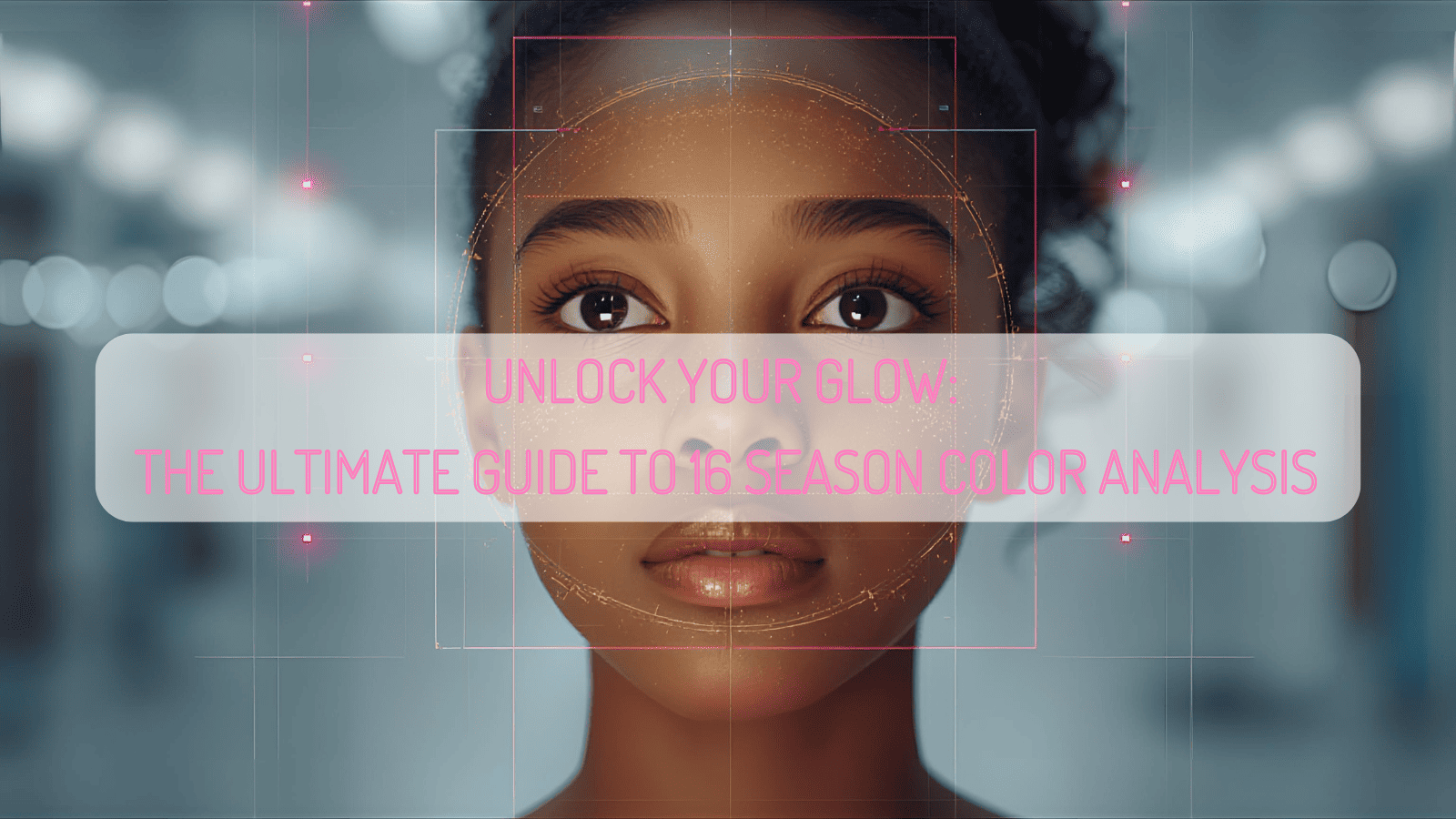
Once you upload your photo, our AI engine goes to work. It scans your facial features, identifying the micro-contrast between your eyes, hair, and skin tone. In just a few seconds, it processes this data against the 16-season framework.
Step 3: The Reveal – Your Season & Palette
- Your Season: You won't just get a vague result. You will find out exactly where you sit (e.g., "You are a Cool Winter").
- Your Personal Palette: You will receive a digital color swatch containing your "Power Colors" (the ones that make you shine) and your neutral basics, colors to avoid as well.
Step 4: Beyond Basic Colors (The Full Style Guide)
This is where AI Color Analysis stands out. We don't just give you a color chart; we give you a complete style makeover plan. Your report includes:
- 👗 Outfits for Every Occasion: Specific color recommendations for professional workwear, casual dates, and evening galas.
- 💄 Makeup Guide: Stop wasting money on the wrong shades. We tell you exactly which lipstick (e.g., Ruby Red vs. Coral) and blush tones suit your skin.
- 💇♀️ Hair Color: Thinking of a change? Discover the best hair color for you—whether you should go Ash Blonde, Chestnut, or Jet Black.
- 💍 Jewelry: Finally answer the age-old question: Does Silver, Gold, or Rose Gold make your skin glow?
Unlock Your Perfect Wardrobe Today
Fashion isn't just about following the latest trends; it's about knowing what makes you look your absolute best.
By moving beyond the guesswork of the past and embracing the precision of AI clothing color analysis, you are not just organizing your closet—you are investing in your confidence. No more wasted money on clothes that sit unworn. No more wondering why a certain shade makes you look tired.
With AI Color Analysis, you have a professional stylist in your pocket, ready to guide you through the 16-season system in seconds.
Frequently Asked Questions
Can I wear colors that aren't in my palette?
Absolutely! Clothing color analysis is a tool, not a prison. If you love a color that isn't "yours" (e.g., a Winter wanting to wear earthy orange), just keep it away from your face. Wear it as pants, shoes, or a handbag. This way, you express your style without compromising your complexion.
Does my season change if I get a tan?
Generally, no. Your overtone changes, but your undertone (the base of color analysis) remains the same. However, you might move slightly within your sub-season (e.g., from Light Spring to True Spring).
Is online clothing color analysis accurate?
Yes, and often more consistent than human analysis. Traditional in-person analysis depends heavily on the stylist's subjective eye and the studio's lighting. AI clothing color analysis, on the other hand, uses objective data to analyze the pixel values of your skin, eyes, and hair. By removing human bias, tools like AI Color Analysis provide a precise result based on the 16-season theory.
What if I have a neutral skin tone?
This is exactly why the 4-season system fails many people! If you have a neutral skin tone (not clearly warm or cool), you likely fall into the "Soft" or "Clear" categories of the 16 seasonal color analysis system. For example, a "Soft Summer" is neutral-cool, while a "Soft Autumn" is neutral-warm. Our AI specifically looks for these neutral undertones to ensure you don't get miscategorized.